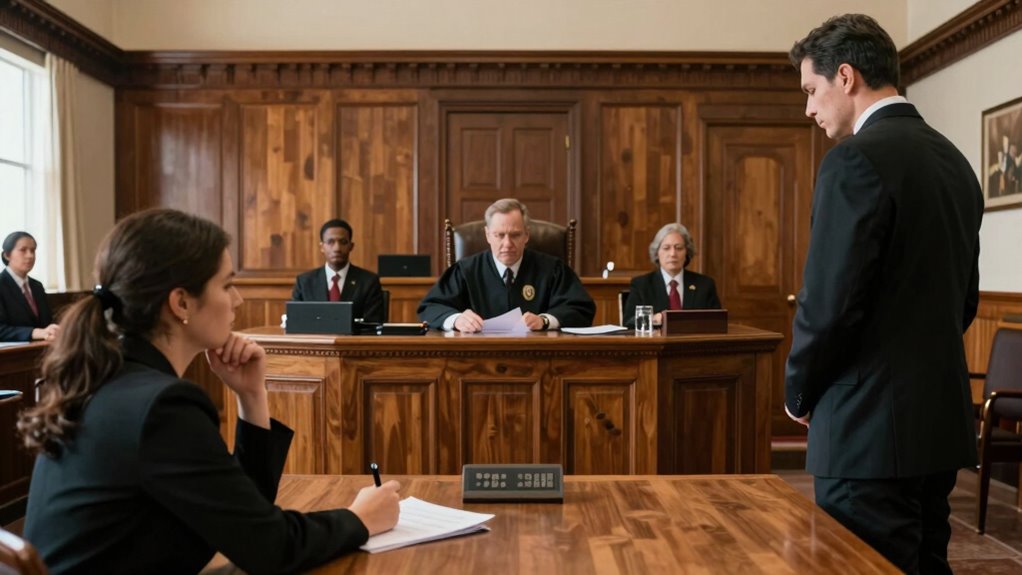

Child support review hearings are opportunities to update your support agreement to match your current financial situation and your child’s needs. During these hearings, courts assess if adjustments are necessary, ensuring support is fair and focused on your child’s best interests. You may be asked to provide income proof or evidence of expenses. If payments are overdue, enforcement actions like wage garnishments or penalties may be discussed. Keep informed about the process to better navigate your case and find out more.

Get gifts for the two of you delivered free — and shop member deals
- Fast, free delivery on millions of items
- Access to Prime Big Deal Days deals on October 6–7
- Prime Video, Amazon Music and more included
Key Takeaways
- Review hearings assess if current child support aligns with the child’s needs and both parents’ income or employment changes.
- Both parties can present evidence and updates to support modifications or enforcement actions.
- Enforcement procedures aim to ensure consistent payments, including penalties or legal actions for non-compliance.
- Modifications require supporting documents like pay stubs, tax returns, and proof of expenses.
- The primary goal is to prioritize the child’s best interests through fair, updated support arrangements.
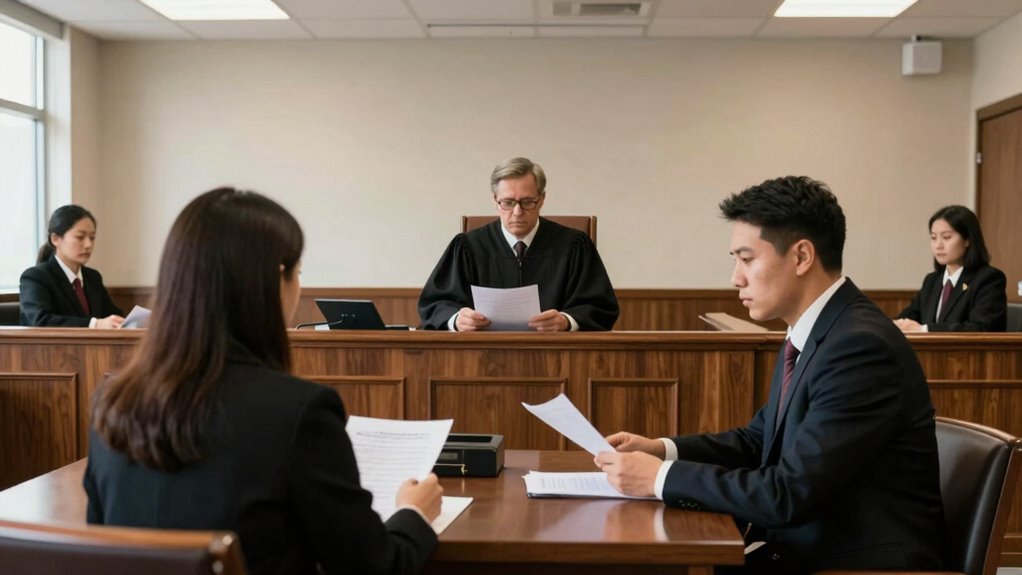
Have you ever wondered what happens during a child support review hearing? When you go into the courtroom for this kind of hearing, it’s primarily about reassessing the current support agreement to ensure it aligns with your current circumstances. The court will look at whether the existing support order still meets the child’s needs and reflects any changes in income, employment, or other relevant factors. During the hearing, both parties have the opportunity to present evidence and updates, which helps the judge decide if adjustments are necessary.
One key aspect of these hearings involves enforcement procedures. If either parent has fallen behind on payments, the court might review the enforcement actions taken — like wage garnishments, tax refund intercepts, or driver’s license suspensions — to ensure compliance. Enforcement procedures are designed to prompt consistent payments, but they also offer a chance for you to explain any hardships or obstacles that might have impacted your ability to pay. If you’re behind, the court can work out a repayment plan or modify the support order if circumstances justify such a change. Conversely, if the other parent is non-compliant, the court can take steps to enforce the order more strictly, including holding them in contempt or imposing additional penalties.
Enforcement actions like wage garnishments and license suspensions ensure compliance and address hardships or non-compliance.
Modification criteria come into play when determining whether a change in support is justified. The court considers factors like a significant change in income, job loss, or increased expenses related to the child’s needs. If your financial situation has improved, the court might decide to increase the support; if it has worsened, a reduction might be warranted. It’s essential to provide current documentation like pay stubs, tax returns, or proof of expenses to support your case. The court’s goal is to ensure the support arrangement remains fair and reasonable, based on the best interests of the child. Additionally, courts often review security measures to prevent non-compliance, which can include escalating enforcement actions if necessary. Understanding enforcement procedures can help you navigate the process more effectively and ensure that the child’s needs are prioritized.
It’s important to remember that these hearings are not just about penalizing or rewarding either parent but about ensuring that the child’s needs are met. If you’re unsure about how enforcement procedures or modification criteria work, consulting with a legal professional can help you prepare your case effectively. Ultimately, the goal of a child support review hearing is to revisit and adjust the support order as needed, fostering a fair arrangement that considers both parents’ current circumstances while prioritizing the child’s well-being. Additionally, understanding support enforcement protocols can help ensure that payments are maintained consistently and fairly.
child support income proof documents
As an affiliate, we earn on qualifying purchases.
As an affiliate, we earn on qualifying purchases.
Frequently Asked Questions
How Long Does a Child Support Review Hearing Typically Last?
A child support review hearing typically lasts between 30 minutes to an hour, depending on the case complexity. During the hearing, you’ll discuss child support calculations and review court procedures to update or modify payments. Be prepared for the judge to ask questions and review financial documents. Staying organized and understanding the process helps guarantee the hearing goes smoothly, and you get the most accurate support arrangements.
Can I Bring Witnesses to the Review Hearing?
Yes, you can bring witnesses to the review hearing. You should prepare for witness presentation by notifying the court in advance and submitting any evidence or documentation you plan to use. This guarantees your witnesses can testify effectively and your evidence is considered. Be clear about what each witness will testify to, and bring multiple copies of any evidence submission to share with the judge and other parties involved.
What Happens if I Miss My Scheduled Review Hearing?
Missing your scheduled review hearing might seem harmless, but it triggers enforcement options you won’t like. The court could modify procedures to adjust your child support obligations or even enforce the order through wages or property. Ignoring the hearing risks penalties, so you should request a reschedule promptly. Staying proactive helps prevent enforcement actions and guarantees your case stays on track for fair modification or enforcement, if needed.
Are Review Hearings Open to the Public?
Review hearings are generally open to the public, but privacy concerns often lead to restrictions, especially if sensitive information is involved. You have the right to request a closed session if privacy issues arise. Having legal representation can help protect your privacy and guarantee your rights are upheld during the hearing. Always discuss these concerns with your attorney beforehand to make sure your situation is handled appropriately.
How Often Are Child Support Review Hearings Held?
Child support review hearings are typically held every one to three years, depending on your case and jurisdiction. During these hearings, you can request payment adjustments if your financial situation changes. It’s wise to have legal representation to help you navigate the process and guarantee your rights are protected. Regular reviews give you a chance to update arrangements, making sure child support payments stay fair and manageable for both parents.
Conclusion
As you step into the world of child support review hearings, remember that these proceedings are your chance to shape a brighter future for your child. Think of the hearing as a garden where your efforts—like careful tending—can help grow stability and hope. Stay prepared, stay honest, and let your commitment be the guiding sun. With each step, you’re planting seeds of security that will bloom long after the hearing ends.
Fall Picks
fall essentials
As an affiliate, we earn on qualifying purchases.