
Finding effective relationship communication tools can transform how couples connect, resolve conflicts, and deepen intimacy. The best options balance practical exercises with emotional understanding, but tradeoffs often exist between depth and ease of use. The You, Me & AuDHD stands out for supporting neurodiverse couples, while the Talk to Me Like I’m Someone You Love offers quick, impactful repair strategies. Many tools require a time investment or a willingness to confront difficult issues, which can be a barrier for some. Keep reading for a detailed comparison that helps you identify the right fit for your relationship needs.
Key Takeaways
- The most effective tools combine practical exercises with emotional awareness, making them suitable for both resolving conflicts and building intimacy.
- There’s a clear divide between structured workbooks and conversational guides, with each serving different relationship stages and comfort levels.
- Supporting specific needs, like neurodiversity or emotional regulation, makes some tools more accessible for certain couples.
- Ease of use and time commitment vary widely; tools that require daily practice tend to foster quicker improvements but may be harder to maintain.
- Price and depth of content are often correlated, with premium options offering more comprehensive strategies and exercises.
| You, Me & AuDHD: Relationship Tools for Adults with Autism & ADHD |  | Best for Tailored Support for Adults with AuDHD | Target Audience: Adults with autism and ADHD | Format: Print, digital | Focus: Relationship tools for neurodivergent adults | VIEW LATEST PRICE | See Our Full Breakdown |
| Communication Skills for Couples: Guide to Improve Communications, Resolve Conflict, Deepen Intimacy, Strengthen Marriage and Create a Healthy Relationship |  | Best for Practical Marriage Communication Strategies | Target Audience: Couples seeking practical communication advice | Format: Print, digital | Focus: Relationship communication and conflict resolution | VIEW LATEST PRICE | See Our Full Breakdown |
| Couples Communication Workbook: 20 Minutes a Day for 12 Days to Improve Listening, Resolve Conflicts, and Strengthen Your Relationship |  | Best for Short, Structured Daily Practice | Target Audience: Couples open to daily exercises | Format: Print | Duration: 12 days | VIEW LATEST PRICE | See Our Full Breakdown |
| Communicate Your Feelings (Without Starting a Fight): What to Say and What Not to Say to Your Partner |  | Best for Expressing Feelings Without Conflict | Target Audience: Couples wanting conflict-free expression | Format: Print | Focus: Expressing feelings without conflict | VIEW LATEST PRICE | See Our Full Breakdown |
| 10 Week Couples Therapy Workbook: Improving Communication, Trust, and Intimacy |  | Best for Structured, Long-Term Relationship Growth | Target Audience: Committed couples or therapists | Format: Print | Duration: 10 weeks | VIEW LATEST PRICE | See Our Full Breakdown |
| 8-Week Couples Therapy Workbook: Essential Strategies to Connect, Improve Communication, and Strengthen Your Relationship |  | Best Structured Program for Couples Committed to Growth | Duration: 8 weeks | Format: Workbook with exercises | Focus: Connection, communication, relationship strength | VIEW LATEST PRICE | See Our Full Breakdown |
| The CBT Couples Toolbox: Over 45 Exercises to Improve Communication, Navigate Problems and Build Strong Relationships | 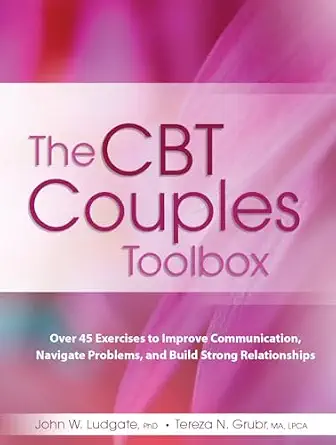 | Best for Practical, Evidence-Based Communication Exercises | Number of exercises: Over 45 | Focus: Communication, conflict resolution | Approach: Cognitive-behavioral therapy | VIEW LATEST PRICE | See Our Full Breakdown |
| Talk to Me Like I’m Someone You Love, Revised Edition: Relationship Repair in a Flash |  | Best for Quick, Practical Relationship Advice | Format: Book with quick strategies | Focus: Relationship repair, emotional connection | Edition: Revised, updated | VIEW LATEST PRICE | See Our Full Breakdown |
| Adult ADHD Relationship Reset: A Practical Guide to Improve Communication, Emotional Regulation, and Connection |  | Best for Adults with ADHD Seeking Tailored Support | Focus: ADHD-related communication and regulation | Target audience: Adults with ADHD and their partners | Approach: Practical, tailored advice | VIEW LATEST PRICE | See Our Full Breakdown |
| Nonviolent Communication: A Language of Life |  | Best for Compassionate, Deep Relationship Growth | Approach: Compassionate communication | Focus: Understanding, empathy | Ideal for: Long-term relationship growth | VIEW LATEST PRICE | See Our Full Breakdown |
| The Talk Book: With Six Prize-Winning Talk Tools That Strengthen Relationships and Repair Communication Breakdowns |  | Best Practical Communication Toolkit | Number of talk tools: 6 | Focus: Relationship strengthening and repair | Format: Print book | VIEW LATEST PRICE | See Our Full Breakdown |
| Healthy Communication with Your Partner in Just 10 Minutes a Day: Couples Workbook on How to Build an Emotionally Healthy & Happy Relationship for Life |  | Best Quick Daily Practice | Duration per session: 10 minutes | Focus: Emotional health and communication | Format: Workbook | VIEW LATEST PRICE | See Our Full Breakdown |
| Love More, Fight Less: Communication Skills Every Couple Needs | 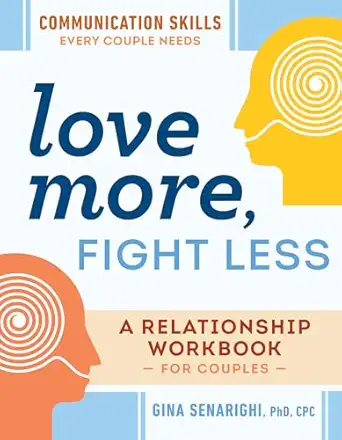 | Best for Deepening Connection and Conflict Resolution | Number of exercises: Multiple practical exercises | Focus: Conflict resolution and intimacy | Format: Workbook | VIEW LATEST PRICE | See Our Full Breakdown |
| relationship communication tool | Format | Focus | Target Audience |
|---|---|---|---|
| You | Print, digital | Relationship tools for neurodivergent adults | Adults with autism and ADHD |
| Communication Skills for Coupl | Print, digital | Relationship communication and conflict resolution | Couples seeking practical communication advice |
| Couples Communication Workbook | — | Couples open to daily exercises | |
| Communicate Your Feelings | Expressing feelings without conflict | Couples wanting conflict-free expression | |
| 10 Week Couples Therapy Workbo | Communication, trust, and intimacy | Committed couples or therapists | |
| 8-Week Couples Therapy Workboo | Workbook with exercises | Connection, communication, relationship strength | — |
| The CBT Couples Toolbox: Over | Book with exercises | Communication, conflict resolution | — |
| Talk to Me Like I’m Someone Yo | Book with quick strategies | Relationship repair, emotional connection | — |
| Adult ADHD Relationship Reset: | Guidebook | ADHD-related communication and regulation | Adults with ADHD and their partners |
| Nonviolent Communication: A La | Book | Understanding, empathy | — |
| The Talk Book: With Six Prize- | Print book | Relationship strengthening and repair | Couples seeking practical communication strategies |
| Healthy Communication with You | Workbook | Emotional health and communication | Time-constrained couples seeking daily connection |
| Love More | Workbook | Conflict resolution and intimacy | Committed couples seeking active engagement |
More Details on Our Top Picks
You, Me & AuDHD: Relationship Tools for Adults with Autism & ADHD
This book stands out for its focus on adults with autism and ADHD, offering practical strategies that are specifically tailored to their communication styles and needs. Unlike general relationship books like Communication Skills for Couples, it provides targeted advice that can make a real difference for those with neurodivergent traits. Its strength lies in customizing tools for understanding and connection, but it is limited to readers who identify with AuDHD, making it less useful for neurotypical couples. The absence of detailed features or exercises means it’s more of a guide than a comprehensive program. Overall, this pick makes the most sense for adults with AuDHD seeking relationship support that respects their unique challenges.
Pros:- Provides tailored relationship advice specifically for adults with AuDHD
- Practical tools to improve understanding and communication
- Supports strengthening emotional connection
Cons:- Limited to readers with autism or ADHD; not suitable for neurotypical couples
- Lacks detailed exercises or step-by-step activities
Best for: Adults with autism or ADHD looking for relationship tools tailored to neurodivergent needs
Not ideal for: Couples without AuDHD, as the strategies may not address typical communication issues
- Target Audience:Adults with autism and ADHD
- Format:Print, digital
- Focus:Relationship tools for neurodivergent adults
Our verdict“This book is ideal for adults with AuDHD seeking personalized relationship strategies, but less useful for typical couples or those without neurodivergence.”
Communication Skills for Couples: Guide to Improve Communications, Resolve Conflict, Deepen Intimacy, Strengthen Marriage and Create a Healthy Relationship
This book makes the list for its straightforward approach to improving communication within marriage, offering practical tips similar to the 10 Week Couples Therapy Workbook. Unlike the more structured workbook, it emphasizes general advice and relationship insight, making it more accessible for couples who want to start improving communication without a rigid program. However, its lack of detailed content or ratings limits its ability to guide couples through specific challenges. This pick is especially useful for couples seeking a broad, easy-to-understand guide rather than an intensive, step-by-step process. It’s best suited for those who want quick, actionable advice to improve daily interactions and resolve conflicts.
Pros:- Provides practical strategies for everyday communication
- Helps resolve conflicts and deepen intimacy
- Accessible for couples at any stage
Cons:- Lacks detailed content or comprehensive exercises
- No customer reviews or ratings available
Best for: Couples seeking practical, straightforward communication advice to strengthen their marriage
Not ideal for: Couples looking for structured exercises or in-depth therapy tools, like the 10 Week Couples Therapy Workbook
- Target Audience:Couples seeking practical communication advice
- Format:Print, digital
- Focus:Relationship communication and conflict resolution
Our verdict“This book suits couples who want simple, effective communication tips without a structured program or detailed exercises.”
Couples Communication Workbook: 20 Minutes a Day for 12 Days to Improve Listening, Resolve Conflicts, and Strengthen Your Relationship
This workbook offers a disciplined, short-term program similar to the 8-Week Couples Therapy Workbook, but in a condensed 12-day format. Its focus on daily 20-minute exercises makes it ideal for busy couples who prefer quick, manageable activities that fit into their routine. Unlike general guides, it provides a clear, step-by-step structure that fosters consistent progress. The main tradeoff is that it requires a daily commitment over nearly two weeks, which might be challenging for some. Overall, this pick makes the most sense for couples who want a focused, time-limited approach to improving listening skills and conflict management.
Pros:- Provides a structured, easy-to-follow 12-day program
- Focuses on listening and conflict resolution
- Short daily exercises are manageable
Cons:- Requires daily commitment, which may be hard for some
- Content may be limited to 12 days without ongoing support
Best for: Couples ready to dedicate 20 minutes daily to structured communication exercises
Not ideal for: Couples who prefer longer, more flexible programs or are unwilling to commit daily for nearly two weeks
- Target Audience:Couples open to daily exercises
- Format:Print
- Duration:12 days
- Time Commitment:20 minutes/day
Our verdict“This workbook suits couples seeking a brief, disciplined program to enhance communication in just 12 days.”
Communicate Your Feelings (Without Starting a Fight): What to Say and What Not to Say to Your Partner
This book offers practical advice on expressing feelings constructively, similar to the focus of Talk to Me Like I’m Someone You Love, but with an emphasis on avoiding conflict. It is ideal for couples who struggle with saying what they mean without sparking fights, providing clear strategies for choosing words carefully. Unlike comprehensive workbooks, it lacks detailed exercises or step-by-step activities, which may limit its usefulness for couples seeking deep, structured change. The limited information on features suggests it’s more of a quick-reference guide. This pick makes the most sense for partners who want immediate, actionable tips to communicate feelings more effectively.
Pros:- Provides practical advice for expressing feelings constructively
- Helps prevent misunderstandings and fights
- Easy-to-understand strategies
Cons:- Limited detailed features or exercises
- No ratings or customer reviews available
Best for: Couples needing quick, practical strategies to express feelings without conflict
Not ideal for: Couples looking for in-depth exercises or long-term structured programs like the 10 Week Couples Therapy Workbook
- Target Audience:Couples wanting conflict-free expression
- Format:Print
- Focus:Expressing feelings without conflict
Our verdict“This book is ideal for couples seeking quick, conflict-avoidant communication strategies for expressing feelings.”
10 Week Couples Therapy Workbook: Improving Communication, Trust, and Intimacy
This workbook is well-suited for couples or therapists seeking a comprehensive, structured approach similar to the 8-Week Couples Therapy Workbook. Its focus on building trust and intimacy over ten weeks makes it a strong choice for those committed to a long-term process, especially in a therapy setting. While detailed content or user reviews are not provided, the emphasis on emotionally focused techniques suggests it offers substantial exercises. However, the ten-week span requires a significant time investment, which might deter couples seeking quicker results. It makes the most sense for couples willing to commit to a guided, paced program aimed at deep change.
Pros:- Provides structured exercises for relationship growth
- Focuses on communication, trust, and intimacy
- Suitable for use in therapy or self-guided efforts
Cons:- Requires a ten-week commitment, which may be demanding
- No detailed content or user reviews available
Best for: Couples dedicated to long-term improvement with the help of structured exercises and therapy techniques
Not ideal for: Couples looking for quick fixes or short-term programs, such as the Couples Communication Workbook
- Target Audience:Committed couples or therapists
- Format:Print
- Duration:10 weeks
- Focus:Communication, trust, and intimacy
Our verdict“This workbook is best for couples prepared for a long-term, guided process to deepen trust and communication.”
8-Week Couples Therapy Workbook: Essential Strategies to Connect, Improve Communication, and Strengthen Your Relationship
This workbook stands out for its clear, step-by-step approach to strengthening a relationship over eight weeks, making it ideal for couples who thrive on structured guidance. Unlike the more flexible but less organized Talk to Me Like I’m Someone You Love, which offers quick strategies, this option requires a dedicated commitment to completing weekly exercises. The focus on fostering healthier interactions through practical activities makes it especially suited for couples eager for tangible progress. However, its lack of detailed content and the need for ongoing participation could be a barrier for those seeking quick fixes or less intensive involvement. This pick makes the most sense for couples ready to dedicate time and effort to a guided, systematic process.
Pros:- Provides a clear, structured framework for relationship improvement
- Focuses on practical exercises to enhance communication and connection
- Suitable for couples committed to long-term growth
Cons:- Requires a time commitment over eight weeks, which may not suit all couples
- Lacks detailed content previews, so effectiveness depends on engagement
Best for: Couples who prefer a structured, step-by-step program to improve their connection over several weeks.
Not ideal for: Couples seeking quick, one-time relationship advice or those unwilling to commit to an eight-week process.
- Duration:8 weeks
- Format:Workbook with exercises
- Focus:Connection, communication, relationship strength
- Suitable for:Couples seeking structured guidance
Our verdict“This workbook is ideal for couples seeking a disciplined, guided approach to strengthening their relationship over time.”
The CBT Couples Toolbox: Over 45 Exercises to Improve Communication, Navigate Problems and Build Strong Relationships
This book offers a comprehensive set of over 45 cognitive-behavioral therapy exercises, making it a powerful resource for couples willing to engage with proven psychological techniques. Compared with the more concise Talk to Me Like I’m Someone You Love, which provides quick strategies, The CBT Couples Toolbox dives deeper into structured problem-solving tools, ideal for couples ready to actively work through specific issues. While its extensive exercises can be highly effective, they require a significant commitment and patience, which might deter couples looking for immediate solutions. This resource makes the most sense for couples committed to applying evidence-based methods for long-term change.
Pros:- Offers a large variety of practical, structured exercises
- Grounded in cognitive-behavioral therapy techniques proven to improve communication
- Helps couples develop problem-solving skills for long-term relationship health
Cons:- Requires a high level of commitment and time investment
- Not suited for couples seeking quick, easy solutions
Best for: Couples interested in structured, evidence-based exercises to resolve conflicts and improve communication.
Not ideal for: Couples seeking quick fixes or those unwilling to dedicate time to detailed exercises.
- Number of exercises:Over 45
- Focus:Communication, conflict resolution
- Approach:Cognitive-behavioral therapy
- Format:Book with exercises
Our verdict“This toolbox is best suited for couples dedicated to applying evidence-based techniques for meaningful, lasting relationship improvements.”
Talk to Me Like I’m Someone You Love, Revised Edition: Relationship Repair in a Flash
This book offers accessible, straightforward strategies for improving communication and repairing emotional connections, making it a useful quick reference. Unlike the more comprehensive The CBT Couples Toolbox, which involves detailed exercises, this edition emphasizes fast, effective techniques that can be implemented immediately. Its simplicity makes it appealing for couples who want immediate tools rather than long-term plans, but the lack of detailed content or exercises may limit its usefulness for those seeking deep change. It’s best for couples needing quick, practical advice to repair or enhance their relationship in a pinch.
Pros:- Provides easy-to-understand, practical communication strategies
- Quick and simple to implement in everyday conversations
- Updated edition reflects current relationship dynamics
Cons:- Lacks in-depth exercises or detailed guidance
- May not be sufficient for couples seeking comprehensive change
Best for: Couples looking for quick, easy-to-apply communication strategies to improve their relationship instantly.
Not ideal for: Couples seeking long-term, structured growth or detailed exercises for deep change.
- Format:Book with quick strategies
- Focus:Relationship repair, emotional connection
- Edition:Revised, updated
- Best for:Immediate, practical relationship improvements
Our verdict“This book is ideal for couples who need fast, practical advice to improve communication without extensive time investment.”
Adult ADHD Relationship Reset: A Practical Guide to Improve Communication, Emotional Regulation, and Connection
This guide specifically addresses the unique challenges faced by adults with ADHD, offering tailored strategies to improve communication and emotional regulation. Compared with general relationship books like Nonviolent Communication, which provides broad tools for understanding, this book zeroes in on ADHD-related issues, making it highly relevant for a specific audience. While it offers practical advice, it lacks detailed tools or exercises, which might limit its effectiveness for couples seeking hands-on methods. It’s best suited for adults with ADHD wanting targeted solutions to reduce conflicts and foster better connection.
Pros:- Provides tailored advice for adults with ADHD
- Focuses on emotional regulation and communication issues specific to ADHD
- Helps reduce conflicts caused by ADHD symptoms
Cons:- Lacks detailed tools or exercises for practical application
- Limited appeal for couples without ADHD-related issues
Best for: Adults with ADHD or partners of adults with ADHD looking for tailored communication and emotional regulation strategies.
Not ideal for: Couples without ADHD or those seeking general relationship advice unrelated to ADHD challenges.
- Focus:ADHD-related communication and regulation
- Target audience:Adults with ADHD and their partners
- Approach:Practical, tailored advice
- Format:Guidebook
Our verdict“This guide is best for adults with ADHD seeking targeted strategies to enhance communication and emotional connection.”
Nonviolent Communication: A Language of Life
This classic introduces compassionate communication tools that promote understanding and empathy, making it a favorite for those wanting to deepen their relationship skills. Compared with the more targeted 8-Week Couples Therapy Workbook, which offers structured exercises, Nonviolent Communication emphasizes cultivating a mindset of empathy and respect, suitable for personal growth and professional interactions as well. Its techniques require practice and patience, which might deter couples seeking immediate results. This book is best suited for those committed to fostering a compassionate, long-term connection through communication.
Pros:- Provides practical tools for compassionate communication
- Helps improve understanding and empathy
- Suitable for personal, professional, and relationship growth
Cons:- Requires sustained practice to master techniques
- Lacks immediate, step-by-step exercises for quick results
Best for: Couples interested in developing empathy and understanding as a foundation for long-term relationship growth.
Not ideal for: Couples seeking quick fixes or structured exercises without an emphasis on emotional mindset change.
- Approach:Compassionate communication
- Focus:Understanding, empathy
- Ideal for:Long-term relationship growth
- Format:Book
Our verdict“This book is best for couples committed to cultivating empathy and meaningful connection over the long term.”
The Talk Book: With Six Prize-Winning Talk Tools That Strengthen Relationships and Repair Communication Breakdowns
This book stands out for offering concrete, evidence-based talk tools that directly address common relationship breakdowns. Unlike more general guides, it provides practical strategies you can apply immediately to repair misunderstandings and foster deeper understanding. While it lacks detailed specifications or user reviews, its focus on actionable techniques makes it especially useful for couples seeking tangible improvements without lengthy exercises. Compared to the more interactive Love More, Fight Less, this book is less demanding on daily time but might require more effort to implement the strategies effectively. Its main tradeoff is the absence of ongoing exercises, making it less suitable for those looking for a structured daily practice.
Pros:- Offers six proven talk tools grounded in research
- Provides practical strategies for repairing communication issues
- Focuses on strengthening emotional understanding
Cons:- No detailed content breakdown or user ratings available
- Lacks interactive exercises or ongoing support
Best for: Couples who want clear, proven communication tools to resolve conflicts and improve understanding quickly.
Not ideal for: Readers seeking an interactive or ongoing engagement with communication exercises, as this is a static resource with no follow-up activities.
- Number of talk tools:6
- Focus:Relationship strengthening and repair
- Format:Print book
- Target audience:Couples seeking practical communication strategies
Our verdict“This book is well-suited for couples looking for straightforward, proven techniques to improve communication and repair misunderstandings efficiently.”
Healthy Communication with Your Partner in Just 10 Minutes a Day: Couples Workbook on How to Build an Emotionally Healthy & Happy Relationship for Life
This workbook makes the most sense for couples who want to dedicate a small daily window to improving their relationship. Its strength lies in providing quick, manageable exercises that fit easily into busy schedules, making it ideal for those who prefer short, consistent efforts over lengthy sessions. Compared to the more comprehensive Love More, Fight Less, it offers less depth but compensates with brevity and practicality. A notable drawback is the limited detail on the specific content and a reliance on daily commitment, which might not suit couples with inconsistent routines. Still, for partners willing to invest just 10 minutes daily, it offers a simple pathway to emotional connection.
Pros:- Provides quick, 10-minute daily exercises
- Focuses on building emotional health and communication
- Accessible for busy schedules and beginners
Cons:- Limited information on specific activities included
- Requires consistent daily effort for results
- No detailed content or progress tracking features
Best for: Couples seeking a low-pressure, daily routine to nurture their emotional bond without extensive time commitment.
Not ideal for: Couples looking for detailed exercises or in-depth guidance, as this workbook emphasizes quick daily activities over comprehensive content.
- Duration per session:10 minutes
- Focus:Emotional health and communication
- Format:Workbook
- Target audience:Time-constrained couples seeking daily connection
Our verdict“This workbook suits couples who want an easy, daily boost to their relationship without lengthy commitment or complex exercises.”
Love More, Fight Less: Communication Skills Every Couple Needs
This workbook emphasizes practical communication strategies that help couples foster intimacy while managing conflicts more effectively. Compared with The Talk Book, which offers specific talk tools, Love More, Fight Less provides a broader set of exercises designed to cultivate ongoing understanding and emotional closeness. Its strength lies in encouraging active engagement, but that also means it demands consistent effort from users, which might be a challenge for some. Without detailed specifications, the content’s depth depends on the user’s willingness to practice regularly. Overall, it makes the most sense for couples committed to improving their communication through guided exercises and sustained effort.
Pros:- Provides effective techniques for improving communication
- Includes practical exercises to foster understanding and intimacy
- Focuses on reducing conflicts and building trust
Cons:- No detailed list of included features or content breakdown
- Requires active participation and ongoing effort
Best for: Couples ready to actively work on communication and intimacy through structured exercises and ongoing practice.
Not ideal for: Those who prefer quick fixes or less active engagement, as this requires dedicated effort and ongoing participation.
- Number of exercises:Multiple practical exercises
- Focus:Conflict resolution and intimacy
- Format:Workbook
- Target audience:Committed couples seeking active engagement
Our verdict“This workbook is best suited for couples who want a guided, effortful approach to deepen their relationship through consistent communication practice.”

How We Picked
The tools featured in this roundup were selected based on their relevance to relationship communication, practical usability, and depth of content. We evaluated each product for its ability to address common communication challenges, ease of implementation, and suitability for different relationship dynamics. Preference was given to resources that blend actionable exercises with emotional insight, ensuring they support both conflict resolution and intimacy building. Ranking reflects a balance between value, accessibility, and comprehensiveness, helping readers find options that fit a variety of needs and budgets.Factors to Consider When Choosing Relationship Communication Tools
Choosing the right relationship communication tool involves understanding your specific needs, relationship style, and commitment level. Not all tools are equally effective for every couple, so it’s important to consider what goals you want to achieve—whether resolving conflicts, deepening understanding, or improving emotional regulation. Additionally, the format, time investment, and whether the resource is guided or self-directed can significantly influence success. Below are key factors to keep in mind to ensure you select a tool that will genuinely support your relationship growth.Compatibility with Relationship Goals
Some tools are designed primarily for conflict resolution, while others focus on building emotional intimacy or managing specific challenges like neurodiversity. Think about what you want to improve—do you need help expressing feelings, resolving recurring disagreements, or simply reconnecting? Matching the tool’s focus with your goals ensures more targeted and effective use, rather than wasting effort on features that don’t address your primary concerns.
Format and Accessibility
Tools come in various formats—from detailed workbooks to quick-reference guides or interactive apps. Consider your preferred learning style and available time. If you and your partner prefer structured exercises, a workbook may be ideal—but if you need quick tips for busy days, a short guide might be better. Accessibility also includes whether the resource is digital or print, and if it offers additional support such as coaching or community access.
Ease of Use and Engagement
Effective communication tools should be engaging enough to sustain regular use. Overly complex or lengthy programs risk abandonment, so look for resources that match your motivation and schedule. For some, daily exercises or small steps are manageable, while others prefer comprehensive sessions less frequently. Choosing a tool that feels approachable increases the likelihood of long-term benefits.
Expertise and Evidence Base
Check whether the resource is grounded in established psychological principles or developed by experts. Evidence-based tools tend to offer more reliable strategies, especially for addressing deep-rooted issues. Avoid resources that claim quick fixes without scientific backing, as they can create false expectations or even harm the relationship if misused.
Cost and Value
Price varies significantly, from free guides to premium programs. Consider how much you’re willing to invest for the potential benefits. Sometimes a more expensive resource provides extensive content, personalized support, or ongoing updates, which can justify the higher cost. Conversely, budget-friendly options can still be highly effective if they align well with your needs and commitment level.
Frequently Asked Questions
How do I know if a communication tool is right for my relationship?
Matching a tool to your relationship depends on your specific challenges and goals. If you’re looking to improve daily communication or resolve recurring conflicts, select resources that focus on those areas. Consider your comfort level with emotional vulnerability and whether you prefer guided exercises or self-paced learning. Trying out a resource with a clear, achievable goal can help you gauge if it fits your needs before fully committing.
Can these tools replace couples therapy?
Many communication tools are excellent supplementary resources, but they generally do not replace the personalized support of couples therapy. They can help build skills and create a foundation for better understanding, but complex issues like trauma or deep-seated conflicts often require professional intervention. Use these tools as an enhancement to therapy or as an initial step if therapy isn’t accessible right now.
How much time should I dedicate to using these tools?
The ideal time commitment varies; some resources recommend daily practice, which can lead to quicker improvements, while others are designed for weekly or less frequent use. It’s important to choose a tool that fits your schedule to maintain consistency. Even short, focused sessions can be effective if performed regularly, so prioritize quality and regularity over duration.
Are online or app-based tools as effective as printed workbooks?
Both formats can be effective, depending on your learning preferences. Digital tools often offer convenience and interactive features, which can boost engagement, especially for tech-savvy couples. Printed workbooks provide a tactile experience and may reduce distractions. The key is selecting a format that encourages consistent use and feels accessible for you and your partner.
What should I do if my partner isn’t interested in using communication tools?
Encouraging your partner to participate can be challenging, but starting with small, non-threatening steps helps. Focus on how the tool can benefit both of you, such as reducing arguments or increasing intimacy. Sometimes, modeling the behavior and demonstrating your own commitment can inspire interest. If your partner remains hesitant, consider individual resources or counseling to address underlying resistance.
Conclusion
For couples seeking a comprehensive, all-around solution, You, Me & AuDHD provides tailored support for neurodiverse relationships, making it the best overall pick. Those interested in quick, effective strategies might prefer Talk to Me Like I’m Someone You Love for its concise, impactful advice. Budget-conscious couples can opt for simpler workbooks like Healthy Communication with Your Partner that still deliver meaningful results. For beginners, resources that guide step-by-step, such as Couples Communication Workbook, are ideal. Finally, couples facing specific challenges, like neurodiversity or emotional regulation, should prioritize tools designed with those needs in mind. The right choice depends on your relationship stage, goals, and willingness to commit—select accordingly to foster healthier, happier connections.