
To DIY an uncontested divorce peacefully, start by ensuring both you and your spouse agree on all terms like property, custody, and support. Gather the correct forms for your state, draft a clear settlement agreement, and communicate openly to avoid misunderstandings. File your paperwork properly and serve your spouse. Most of the process involves minimal court steps, which helps keep things simple and amicable. Keep going to discover more tips for a smooth, stress-free divorce.
Key Takeaways
- Ensure both spouses agree on all terms, including property division, custody, and support, to facilitate a smooth uncontested divorce.
- Obtain and complete the correct divorce forms for your jurisdiction, and serve papers properly to your spouse.
- Draft a comprehensive marital settlement agreement outlining asset division, debts, custody, and support arrangements.
- File all documents with the court and attend any required hearings to finalize the divorce legally.
- Communicate openly, cooperate, and consider consulting a legal professional for complex issues to ensure a peaceful process.
Are you seeking a quick and amicable way to end your marriage? An uncontested divorce might be your best option. This process occurs when both spouses fully agree on all terms of the divorce, including property division, child custody, support, and any other financial arrangements. Since there’s mutual consent, the process usually involves no trial or judge intervention unless the court needs to review and approve your agreement. The core document in this process is the marital settlement agreement, a legally binding contract that details everything both of you have agreed upon. It’s a clear outline of how assets, debts, and responsibilities will be handled, which helps streamline the entire process.
An uncontested divorce simplifies separation by mutual agreement on key issues, avoiding lengthy court battles and reducing stress.
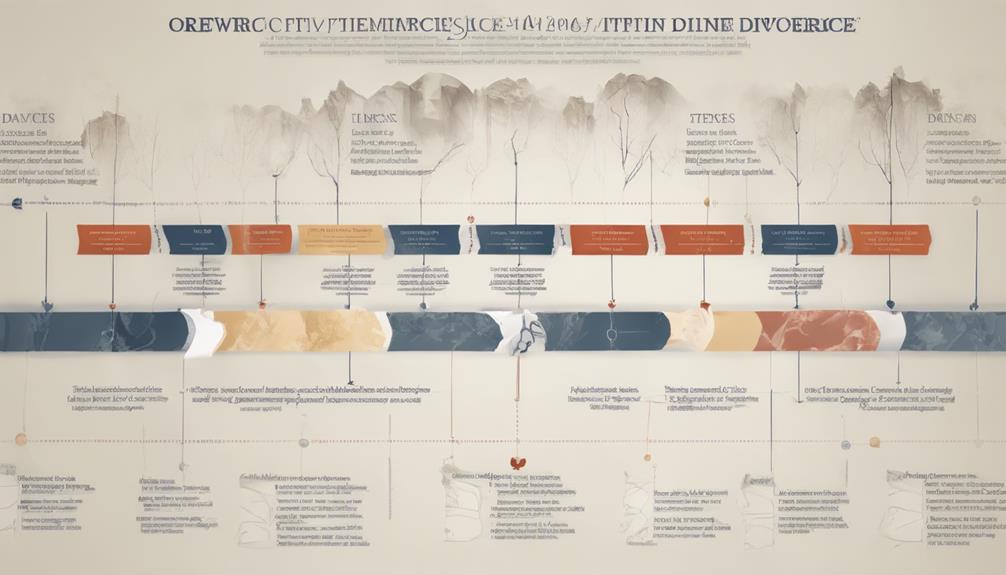
Uncontested divorces can happen either by mutual agreement or by default if one spouse doesn’t respond to divorce papers. In either case, the process typically avoids lengthy litigation, saving you time, money, and emotional stress. The legal steps are straightforward: you start by filing the initial divorce petition and serving the papers to your spouse, then wait to receive a case number from the court. Next, you and your spouse draft, notarize, and sign a settlement agreement that covers all issues. Once everything is prepared, you submit your paperwork, including the agreement, for the court’s review. If everything is in order, the court issues a Judgment of Divorce, which finalizes the separation.
The timeline for uncontested divorces varies by jurisdiction but generally takes about 3 to 6 months. This is much faster than contested divorces, which can drag on for years. Most of the process involves minimal court involvement—mainly for approval and signing the final judgment. Some states require a final hearing, while others do not, and waiting periods differ accordingly. In many places, uncontested divorces make up a significant percentage of cases; for example, in New York, up to 80% of divorces are uncontested.
To get through this process smoothly, you and your spouse must agree on key issues like dividing assets and debts, custody arrangements, child support, and spousal support if applicable. Once you have consensus, you can focus on drafting a detailed settlement agreement that reflects your mutual understanding. The benefits are compelling: lower legal fees, less emotional strain, increased privacy, and faster resolution. However, effective communication and cooperation are essential, as disagreements can turn the process into a contested divorce. It’s also essential to review your paperwork with legal counsel to protect your rights, especially if your situation involves complex finances or potential disputes.
If you’re considering a do-it-yourself uncontested divorce, start by obtaining the correct forms for your state, serve the papers properly, work collaboratively on the settlement agreement, and file everything with the court. With careful planning and mutual cooperation, you can achieve a peaceful, efficient resolution and move forward with your life.
Top picks for "divorce uncontest peacefully"
Open Amazon search results for this keyword.
As an affiliate, we earn on qualifying purchases.
Frequently Asked Questions
How Do I Handle Disagreements During the DIY Divorce Process?
When disagreements arise during your DIY divorce, stay calm and communicate openly. Focus on listening and understanding your partner’s perspective without judgment. Use a neutral mediator if needed to facilitate discussions and find common ground. Keep your conversations respectful and collaborative, aiming for solutions rather than conflict. Remember, maintaining a cooperative mindset helps resolve disputes faster, reduces emotional stress, and guarantees you both reach a fair agreement efficiently.
What Are the Costs Involved in a DIY Uncontested Divorce?
You’ll spend between $300 and $2,000 on a DIY uncontested divorce, depending on your location and chosen services. Main costs include court filing fees, which range from $100 to $450, and optional expenses like online document services ($150–$800), mediation ($500–$1,500), and notarization or legal reviews. Keep costs low by handling forms yourself and avoiding unnecessary legal fees, but plan for extra costs if your case is more complex.
Can I Change My Divorce Agreement Later if Circumstances Change?
Yes, you can change your divorce agreement later if circumstances change considerably, like a job loss or a move. You’ll need to file a motion with the court and provide evidence of the change. Both parties can negotiate a new agreement, but court approval is necessary for it to be official. Keep in mind, the court requires proof that the change is substantial and lasting.
How Do I Ensure My Divorce Papers Are Legally Valid?
Think of your divorce papers as a sturdy bridge—you want it built strong and clear. To guarantee they’re legally valid, use state-specific forms, double-check all details, and include thorough, signed settlement agreements. File everything correctly with the court, serve copies properly, and meet all deadlines. Confirm the court reviews and approves your documents, ensuring your bridge is solid, so your divorce is finalized without cracks or delays.
What if My Spouse Refuses to Cooperate With the DIY Divorce?
If your spouse refuses to cooperate in your DIY divorce, don’t panic. You can pursue a default judgment by properly serving them with papers, even if they avoid or hide. Courts often allow divorce without their agreement if separation requirements are met. Consider hiring a process server or using publication to notify them. Consulting a lawyer can help you navigate procedural steps and guarantee your rights are protected throughout the process.
Conclusion
So, there you have it—your foolproof guide to a peaceful, DIY uncontested divorce. Who knew splitting up could be so simple and inexpensive? Just follow these steps, and you’ll be out of the courtroom faster than you can say “irreconcilable differences.” Remember, why pay a lawyer when you can DIY and enjoy the sweet taste of victory—minus the legal fees, stress, and endless drama? Cheers to your new, drama-free chapter!