
TL;DR
Prime for Young Adults — start your free trial
Fast free delivery, streaming and member deals for eligible 18–24 year olds.
Try it freeAs an affiliate, we earn on qualifying purchases.
Engineers and researchers are developing new tools and methods that apply engineering principles to personal growth. These innovations aim to enhance mental, physical, and cognitive performance, marking a shift in self-improvement strategies.
Recent developments show that engineers and scientists are applying principles of engineering to develop tools and systems aimed at enhancing individual self-improvement. These innovations include wearable devices, biofeedback systems, and software algorithms designed to optimize mental and physical performance. This emerging field could transform personal development practices by offering scientifically grounded, customizable solutions.
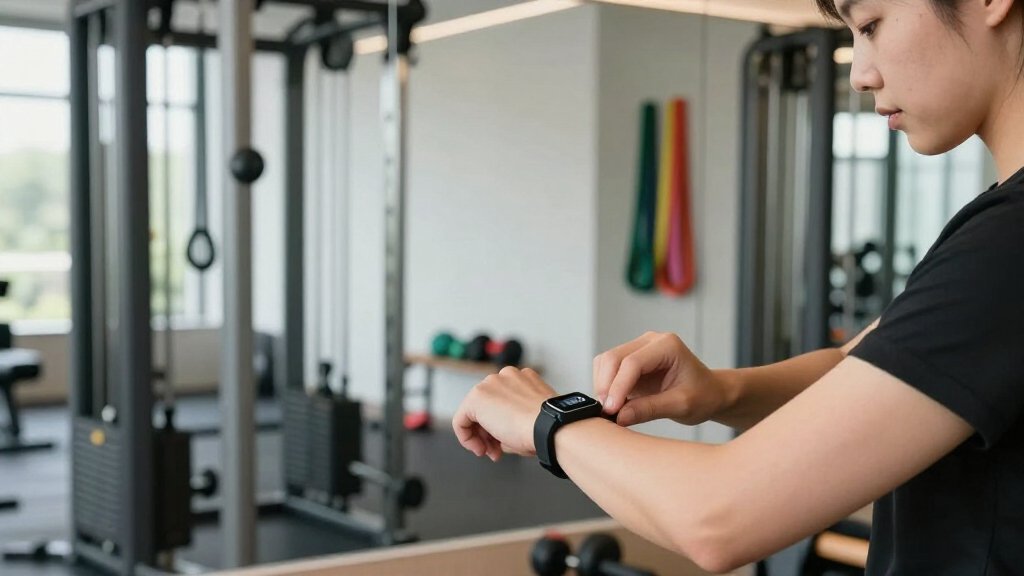
Engineers are leveraging techniques from control systems, biomechanics, and data analytics to create tools that monitor, analyze, and influence human behavior and physiology. For example, companies are launching wearable devices that track biometric data to provide real-time feedback on stress levels, sleep quality, and cognitive load. These devices are often paired with machine learning algorithms that suggest personalized interventions.
Research institutions are also exploring how engineering approaches can improve mental health and cognitive performance. Studies involve developing neurofeedback systems that use sensors and software to help users regulate brain activity, aiming to reduce anxiety and enhance focus. While some products are already available commercially, many are still in testing phases, with efficacy data emerging.
Potential Impact of Engineering-Driven Self-Improvement Tools
This trend signifies a shift towards scientifically grounded, personalized self-improvement solutions that could make self-regulation more accessible and effective. If successful, these tools could help individuals manage stress, improve sleep, and boost cognitive abilities more precisely than traditional methods. The integration of engineering principles into personal development also raises questions about data privacy and ethical use of biological information.
biometric wearable devices for stress monitoring
As an affiliate, we earn on qualifying purchases.
As an affiliate, we earn on qualifying purchases.
Background on Engineering Applications in Personal Development
The concept of applying engineering to self-improvement has roots in bioengineering, wearable technology, and human-computer interaction research from the past decade. Recent years have seen a surge in startups and research projects focused on creating devices and software that quantify and influence human behavior. Notably, the development of biofeedback devices and neurostimulation tools has paved the way for more sophisticated systems.
In 2024, several companies launched products claiming to enhance mental clarity, reduce stress, or improve sleep through engineering-based methods. While some of these are backed by scientific studies, many are still under evaluation, and regulatory approval processes are ongoing.
Effectiveness and Ethical Considerations of Engineering Self-Help Tools
While many engineering-based tools are promising, comprehensive scientific validation is still underway for several products. The long-term effects and reliability of some neurofeedback and bioengineering devices remain unconfirmed. Additionally, ethical concerns about data privacy, consent, and the potential misuse of biological data are actively debated, with no consensus yet reached.
Upcoming Research and Regulatory Developments in Engineering Self-Improvement
Researchers plan to conduct larger-scale clinical trials to assess the efficacy of these tools. Regulatory agencies are expected to develop guidelines for safety and privacy standards. Commercial companies are preparing to expand their product lines, while experts call for caution and transparent validation processes to ensure user safety and trust.
Key Questions
Are engineering-based self-improvement tools scientifically proven?
Some tools are supported by preliminary studies, but many are still in testing phases. Comprehensive validation is ongoing for several products.
What types of devices are being developed for self-improvement?
Wearables tracking biometric data, neurofeedback systems, and software algorithms for personalized coaching are among the most common innovations.
Are there risks associated with using these engineering tools?
Potential risks include data privacy concerns, inaccurate feedback, and unproven long-term effects. Users should exercise caution and wait for regulatory approval when possible.
How soon might these tools become widely available?
Some products are already on the market, but widespread adoption depends on further validation, regulatory approval, and user acceptance, expected over the next few years.
Source: hn
Fall Picks
fall essentials
As an affiliate, we earn on qualifying purchases.