TL;DR
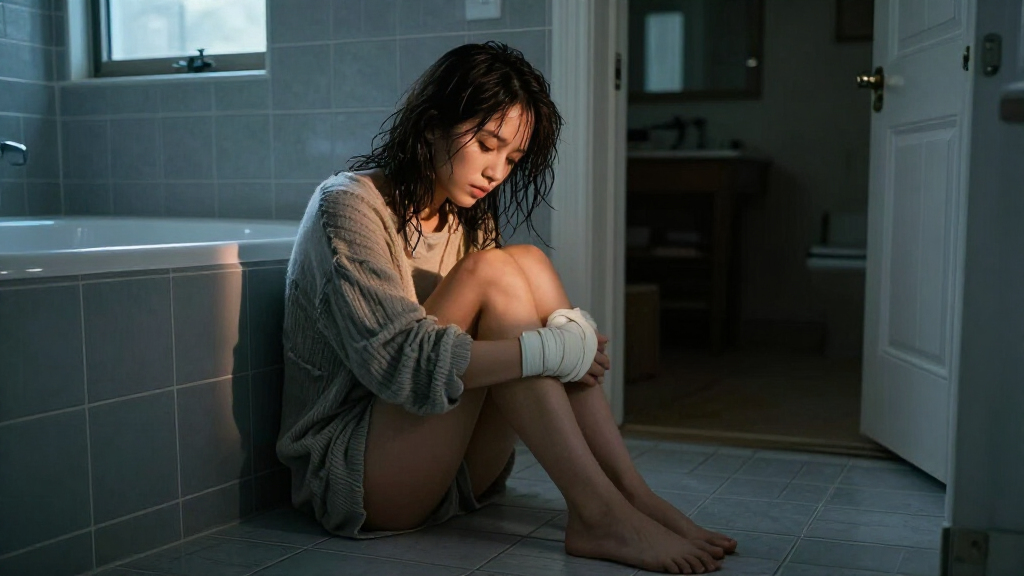
The Good Men Project published a first-person essay about a woman’s struggle to recognize herself and trust her choices after leaving an abusive relationship. The piece describes lingering fear and self-doubt, but provides no identifying details, dates or independent corroboration of the writer’s account.
The Good Men Project has published a first-person essay describing how a woman continued to struggle with identity, confidence and ordinary decisions after leaving an abusive relationship. The author says that leaving changed her circumstances but did not immediately undo patterns of fear and self-doubt, challenging the idea that separation marks a clean end to the effects of abuse.

Get gifts for the two of you delivered free with Prime
- Fast, free delivery on millions of items
- Prime Video, Amazon Music and more included
- Member-only deals all year
The author contrasts the immediate, recognizable nature of physical pain with the harder-to-identify effects of losing confidence and adapting to a partner’s expectations. In her account, she gradually came to mistake silence for peace and repeated accommodation for patience or maturity. She says she did not fully recognize how much her sense of self had changed until after the relationship ended.
After leaving, the writer describes second-guessing her instincts and finding it difficult to answer a basic question: “What do I want?” Preferences and boundaries could feel like invitations to conflict, she writes, even when the former partner was no longer present. The essay presents these responses as part of her personal experience; it does not provide details that would independently establish the relationship’s history or identify the people involved.
The account also emphasizes that distress can be difficult for others to see. The author says someone may continue working and meeting everyday responsibilities while privately struggling to express preferences, make decisions or tolerate another person’s disappointment. She describes grieving for possibilities she believes she may have set aside while focused on survival, while acknowledging that she cannot know who she would have become otherwise.
Why Leaving May Not End the Effects
The essay draws attention to a gap between physical safety and emotional recovery. A person may have left a controlling or abusive relationship and still find that learned habits—such as monitoring others’ reactions, apologizing for preferences or avoiding disagreement—shape daily life. That distinction matters because outsiders may interpret practical competence as proof that recovery is complete.
The piece is a personal account, not a clinical assessment or a survey of survivors. Its value is in describing one person’s experience in concrete terms: rebuilding a sense of choice may take time, and encouragement from others does not automatically make boundaries feel safe. Readers should not treat the essay as a measure of how all survivors recover or as evidence about the prevalence of any particular response.
Popular right now

Ninja Foodi 8-Qt DualZone 6-in-1 Air Fryer, Grey (DZ201)

De'Longhi Magnifica Evo Automatic Espresso Machine with Milk Frother, Silver

Apple AirPods Pro 3 Wireless Earbuds with Active Noise Cancellation
As an affiliate, we earn on qualifying purchases.
The Story Behind the Essay
The supplied source is a featured-content essay published by The Good Men Project, titled “Losing Myself in the Physical Pain Felt Easier Than Finding Myself After I Left.” It is written in the first person and focuses on the period after the author says she left an abusive relationship. The source material does not give a publication date or biographical information about the writer.
The essay rejects a simple before-and-after account in which leaving is presented as the moment a survivor immediately feels restored. Instead, it describes how behaviors adopted to avoid conflict can continue after circumstances change. The source excerpt ends mid-sentence, so the full conclusion and any additional material beyond the supplied text are not available here.
““I had left the relationship, but I was still trying to negotiate permission to be a person.””
— The essay’s author
What the Source Does Not Establish
The supplied article excerpt does not identify the author, provide a publication date, or describe when or where the relationship took place. It offers no independent documentation, response from another person, or clinical evaluation. The account should therefore be understood as the author’s personal testimony, not a verified finding about a specific case beyond what she says happened to her.
The source material also ends before the essay’s final sentence is complete. It is not clear from the excerpt how the full piece concludes, whether the author discusses support or treatment, or whether the publisher added further context. No information is supplied about a follow-up article or a broader reporting project.
The Essay’s Unreported Follow-Up
The supplied material reports no scheduled follow-up, new publication or response from the author or publisher. The development available now is the publication of the personal essay itself. Any further claims about the writer’s circumstances, recovery or subsequent work would require additional sourcing rather than inference from this excerpt.
Key Questions
What happened?
The Good Men Project published a first-person essay about the author’s difficulty rebuilding confidence and a sense of identity after leaving an abusive relationship.
What does the author say was difficult after leaving?
She describes second-guessing her instincts, struggling to identify what she wanted and feeling uneasy about expressing preferences or setting boundaries. These are her reported experiences.
Does the essay say leaving immediately ended the effects of the relationship?
No. The author argues that leaving changed her circumstances but did not immediately make her feel secure or restore her former confidence.
Is the account independently verified?
The supplied source is a personal essay and does not include independent corroboration, identifying details or a clinical evaluation. It should be read as the author’s account.
When was the essay published?
The publication date is not included in the source material provided, so it cannot be established from this excerpt.
Source: goodmenproject.com