Choosing between a DIY divorce and hiring a lawyer depends on your situation. Going solo may save you money upfront, but it risks mistakes that could cause delays or unfavorable outcomes later. A lawyer’s help might cost more but offers legal protection, smoother process, and better results, especially with complex assets or children. To weigh these options carefully and understand the potential risks and benefits, keep exploring the details that can make or break your case.
Key Takeaways
- DIY divorces are cheaper initially but may incur hidden costs from mistakes and legal issues.
- Hiring a lawyer ensures proper legal protection, accurate paperwork, and better custody or asset outcomes.
- Self-representation increases risks of delays, errors, and dissatisfaction with the final agreement.
- Legal assistance tends to lead to more favorable settlements and higher satisfaction rates.
- Lawyers help manage emotional stress and procedural complexities, facilitating a smoother divorce process.

Deciding whether to handle your divorce yourself or hire a lawyer is a significant choice that can impact your financial stability, legal rights, and emotional well-being. While DIY divorces might seem like a straightforward way to save money upfront, they often lead to hidden costs and complications. For example, although hiring a lawyer can cost anywhere from $1,500 to over $10,000 depending on case complexity, attempting a DIY approach might appear cheaper—sometimes only costing about $500. However, this initial saving can be deceptive because mistakes are common in self-represented divorces, potentially resulting in additional expenses later on, especially if legal issues arise or disputes need resolution. The median cost for a divorce with both parties represented is around $18,000, compared to just $500 without legal help, highlighting how much more expensive it can become if overlooked issues develop. Legal expertise significantly reduces the likelihood of costly errors, which is a crucial consideration for many couples.
Legal protection is a key reason to consider hiring an attorney. Lawyers bring expertise that helps prevent unfair settlements and ensures your rights are safeguarded. Without legal training, you risk missing critical legal details, which could lead to unenforceable agreements or future enforcement problems. Attorneys also navigate complex state laws and court procedures more effectively, reducing the risk of errors that might delay your divorce or invalidate paperwork. DIY divorces often involve incomplete or incorrect documents, which can cause delays or force you to redo parts of the process. When significant assets or children are involved, legal guidance becomes even more essential, as custody disputes or property division can get complicated without professional advice. Without a lawyer, you might make decisions that seem appropriate at the moment but have long-term consequences that could have been avoided.
Hiring an attorney safeguards your rights and prevents costly legal mistakes.
Research shows that individuals who hire attorneys tend to be more satisfied with their divorce outcomes. They often secure better financial settlements and custody arrangements. About 60% of those who represent themselves report dissatisfaction, frequently feeling unprepared or overwhelmed by court procedures. Attorneys can help facilitate smoother negotiations and court proceedings, often leading to more favorable agreements. Self-representation can also be emotionally draining, as divorce is inherently stressful. Managing legal complexities alone can amplify this stress and impact your psychological health. Lawyers can handle confrontations and legal pressures, allowing you to focus more on emotional healing.
While courts are increasingly accommodating self-represented litigants, cases with both parties represented are more likely to settle out of court—around 86%. DIY divorces often lack detailed court orders, which can cause future disputes. Attorneys help ensure your divorce is finalized efficiently and with proper legal documentation, reducing the chance of long-term problems. Handling your divorce without legal expertise leaves you vulnerable to mistakes, delays, and less favorable outcomes, making professional help a worthwhile investment in your future stability and peace of mind. Understanding legal procedures can significantly improve the overall outcome of your divorce process.

ETRONIK Fireproof Document Box with Lock, 2 Layer File Cabinet Organizer with 5 Tab Inserts, Portable Office Collapsible File Storage with Reflective Strip for Hanging Letter, Legal Size Folder
Combination Lock Protection: Compared to other file cabinet which did not have a separate locking compartment on top,...
As an affiliate, we earn on qualifying purchases.
Frequently Asked Questions
How Much Does a DIY Divorce Typically Cost?
A DIY divorce typically costs between $200 and $1,000 for simple, uncontested cases. Most of your expenses go toward court filing fees, which are usually a few hundred dollars, and document preparation services. If your case involves minor disputes or more complex issues, costs can rise to $2,500 or more. Overall, DIY divorces are substantially cheaper, often saving you thousands compared to hiring a lawyer.
What Are the Risks of Handling My Own Divorce?
Handling your own divorce is like steering a stormy sea without a compass—you risk getting lost or capsized. You might miss important deadlines, misvalue assets, or overlook key legal rights, which can lead to unfair settlements or custody issues. Emotional stress clouds judgment, making strategic errors more likely. Without legal expertise, you could inadvertently harm your case, prolonging the process and increasing costs, leaving you stranded in uncertain waters.
Can I Change My Mind After Filing for a DIY Divorce?
Yes, you can change your mind after filing for a DIY divorce, but it depends on your situation. If both spouses agree, you can typically submit a written Motion to Dismiss before the case progresses too far. However, once the final divorce decree is signed, reversing the decision becomes impossible without remarrying. It’s best to consult a legal expert to understand your options and guarantee proper procedures are followed.
How Long Does the Divorce Process Usually Take Without a Lawyer?
It generally takes about 1 to 6 months to get a divorce without a lawyer. You’ll need to meet residency requirements, complete and file paperwork, serve your spouse, and wait through mandatory periods. If everything goes smoothly and you’re both in agreement, the process can move quickly—like a well-oiled machine. However, mistakes or delays can stretch it out, so staying organized and patient is key to crossing the finish line sooner.
Are There Specific Cases Where Hiring a Lawyer Is Mandatory?
In certain divorce cases, hiring a lawyer is mandatory. If your case involves contested custody, complex financial assets, or high-value property, you need legal expertise. Courts also require attorneys for unresolved disputes, court trials, or cases with allegations like domestic violence. If you’re dealing with jurisdictional issues or need proper legal filings, a lawyer’s guidance isn’t just recommended, it’s legally obligatory to protect your rights and ensure proper procedures.

Polup 2 Drawer File Cabinet with Lock, Metal File Cabinets for Home Office, Two Drawer Locking Filing Cabinet, Small File Cabinet for Under Desk for Hanging Letter Size, Black, Assembly Required
THICKENED METAL PLATE: The 2 drawer file cabinet with lock is constructed from upgraded and reinforced steel plates,...
As an affiliate, we earn on qualifying purchases.
Conclusion
So, whether you choose the DIY route or hire a lawyer, remember that handling your divorce solo might save money but could cost you peace of mind—and maybe even more in the long run. On the flip side, a lawyer might drain your wallet, but at least you’ll have someone who knows the ins and outs of the legal jungle. Either way, don’t be surprised if you end up wishing you’d just called a pro from the start.
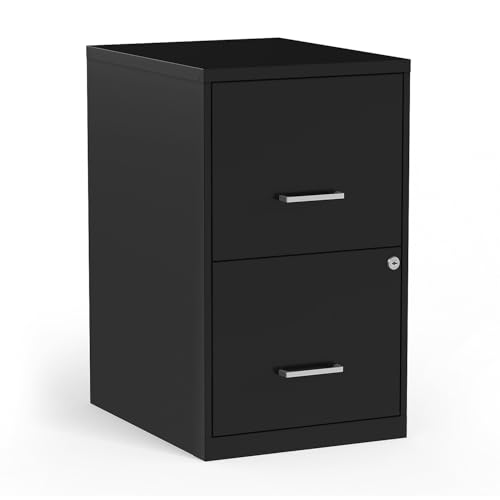
STAPLES 2-Drawer Vertical File Cabinet, Letter Size Documents, Lockable, 18.9" D x 14.3" W x 24.1" H, Black
Sold as 1 Each
As an affiliate, we earn on qualifying purchases.

BYNSOE 2 Drawer File Cabinet with Lock Vertical Filing Storage Cabinet Office Home Steel Vertical File Cabinets for Letter Size File Cabinet Locked,Assembly Required
【HIGH CAPACITY】This filing cabinet consists of two drawers of the same size, which are large enough to accommodate...
As an affiliate, we earn on qualifying purchases.