
To help children build resilience and coping skills, focus on teaching emotional regulation through techniques like deep breathing and talking about feelings. Create a supportive environment with routines that promote stability and security. Encourage positive peer relationships by fostering empathy and communication, which boost confidence and belonging. Model calmness and problem-solving behaviors to set strong examples. If you continue exploring, you’ll discover even more effective ways to support their emotional growth and long-term resilience.
Key Takeaways
- Teach children emotional regulation techniques like deep breathing and counting to help manage strong feelings.
- Create routine and stable environments to foster emotional security and resilience.
- Encourage positive peer relationships through empathy, sharing, and conflict resolution skills.
- Validate feelings and normalize mistakes to build confidence and adaptability.
- Model calmness and constructive problem-solving to reinforce healthy emotional responses.
Have you ever wondered how children develop the strength to face life’s challenges? It’s a fascinating process, and your role as a caregiver or parent plays a pivotal part. One of the key skills that build resilience is emotional regulation. When children learn to understand and manage their feelings, they become better equipped to handle setbacks and stress. You can help them by teaching simple techniques like deep breathing or counting to ten when emotions run high. Encouraging them to talk about what they’re feeling also makes a big difference, as it helps normalize emotions and reduces the likelihood of outbursts. When children feel heard and supported, they’re more likely to develop a balanced view of their emotional experiences, which strengthens their resilience over time. Developing emotional regulation can also be supported by creating routines that provide stability and predictability, helping children feel secure and more capable of coping with change.
Helping children manage emotions builds resilience and confidence for life’s challenges.
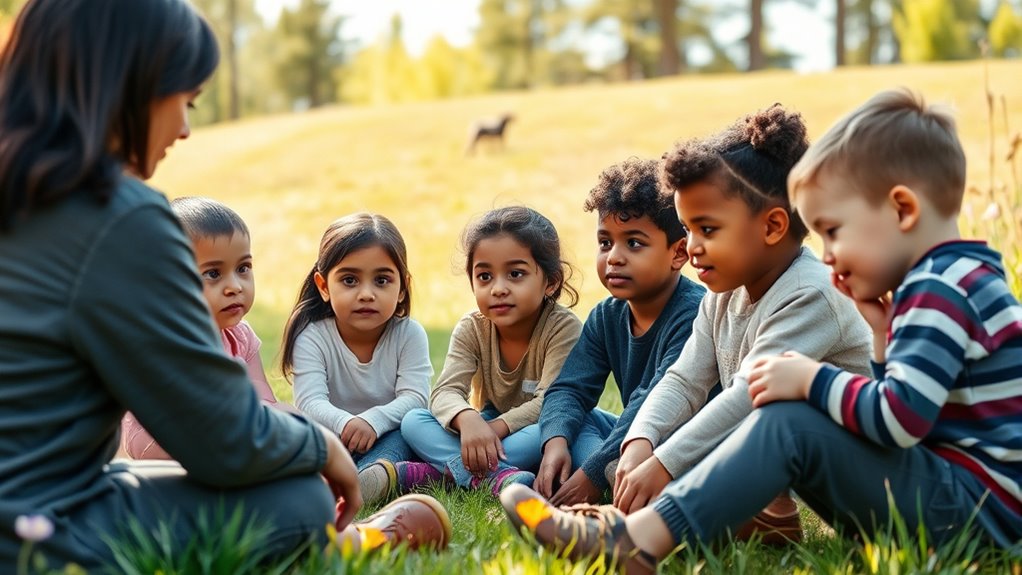
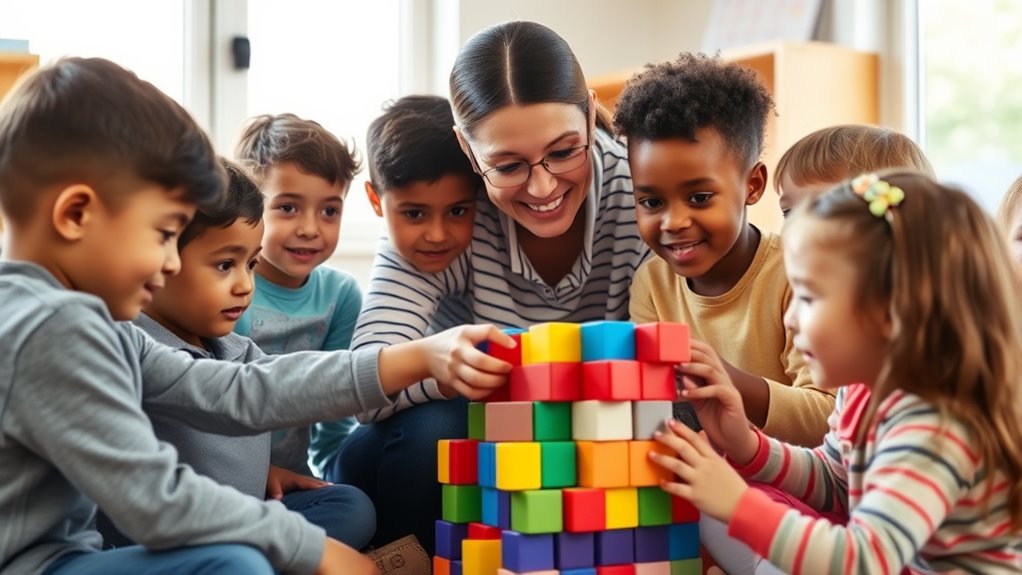
Peer relationships also play an essential role in fostering resilience. Kids who cultivate positive friendships tend to bounce back faster from difficulties because they have a support system. You can support this by encouraging your child to develop empathy, share, and communicate openly with peers. When they face conflicts or social setbacks, having friends who listen and understand can make those tough moments more manageable. You might also teach them how to resolve disagreements peacefully and promote kindness, so they learn the value of healthy relationships. As they build these peer connections, they gain confidence and a sense of belonging, which empowers them to face future challenges with greater resilience.
Creating a safe environment where your child feels comfortable expressing themselves is essential. When children see that their feelings are valid and that mistakes are part of learning, they become more adaptable and less fearful of failure. Supporting their emotional regulation and peer relationships simultaneously boosts their self-esteem and problem-solving skills. As they navigate social situations and emotional ups and downs, they learn resilience isn’t about avoiding difficulties but about developing the strength to overcome them. You can model this by staying calm during your own stressful moments and demonstrating how to handle emotions constructively. Over time, your consistent support helps children internalize these skills, making resilience a natural part of their growth.
Frequently Asked Questions
How Can Parents Model Resilience Effectively?
You can effectively model resilience by demonstrating emotional modeling and showing your children how to handle setbacks calmly. As a parent, your responses to challenges reveal your resilience, so stay composed and use problem-solving strategies. Share your feelings honestly and discuss how you overcome difficulties. Your parental role involves setting a positive example, proving that setbacks are manageable. This encourages your child to develop their own resilience skills.
What Specific Activities Promote Coping Skills in Children?
You can promote coping skills by engaging your child in mindfulness exercises, like deep breathing or guided imagery, to help them stay calm during stress. Incorporate problem-solving games that challenge their thinking and encourage persistence. These activities teach your child to manage emotions and develop resilience, making them better equipped to handle life’s challenges. Regular practice boosts their confidence and emotional strength over time.
How to Support Children Facing Repeated Setbacks?
When children face repeated setbacks, you should offer positive reinforcement to boost their confidence and encourage persistence. Help them develop emotional literacy by discussing their feelings and teaching them to identify and manage emotions. Support their resilience by listening actively, validating their experiences, and reminding them that setbacks are part of growth. These steps empower children to cope better and build strength for future challenges.
When Should Children Seek Professional Help for Emotional Struggles?
When your child’s emotional world feels like a storm that won’t pass, it’s time to seek professional help. If they struggle to recognize emotional awareness, withdraw from peer support, or their mood swings become intense, don’t wait. These signs indicate they may need guidance. Just as a lighthouse offers direction in darkness, a mental health professional can help your child navigate their feelings and build resilience.
How Does Culture Influence Resilience-Building Strategies?
Culture influences resilience-building strategies by shaping how children interpret challenges and seek support. You can encourage your child’s resilience through cultural traditions that promote values like perseverance and family unity. Community support plays a crucial role, as it provides a network for emotional and practical assistance. Recognizing and integrating these cultural and community aspects helps your child develop stronger coping skills and a resilient mindset rooted in their identity.
Conclusion
Remember, building resilience is a journey, not a destination. By supporting children in developing coping skills, you’re giving them the tools to face life’s challenges with confidence. Keep in mind the saying, “What doesn’t kill you makes you stronger.” With your encouragement and guidance, you’ll help children grow into resilient individuals who can navigate ups and downs with strength and hope. Your efforts truly make a lasting difference in their lives.