
TL;DR

Get gifts for the two of you delivered free with Prime
- Fast, free delivery on millions of items
- Prime Video, Amazon Music and more included
- Member-only deals all year
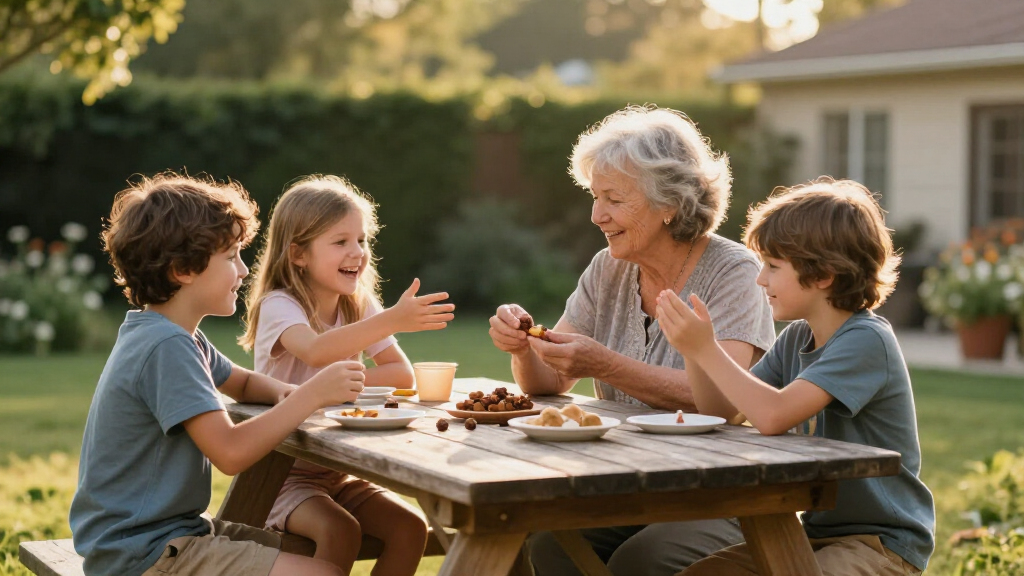
Psychologists have identified eight habits common among grandparents who are deeply loved by their grandchildren. These behaviors foster strong emotional bonds and are linked to positive family dynamics. The trend reflects growing interest in family relationships, though the specific habits are based on observational insights rather than formal studies.
Psychologists have identified eight habits that are commonly observed among grandparents who are deeply loved by their grandchildren. These behaviors, which promote trust, affection, and a sense of security, appear to strengthen intergenerational bonds. The trend reflects a growing interest in understanding what makes grandparents particularly cherished, although these habits are based on observational insights rather than formal scientific studies.
According to recent analyses, the eight habits include active listening, showing genuine interest in grandchildren’s lives, maintaining a playful attitude, offering consistent emotional support, sharing family stories, practicing patience, respecting boundaries, and engaging in meaningful quality time. These behaviors help grandparents build a foundation of trust and affection that resonates deeply with grandchildren, fostering long-lasting relationships.
While these habits are widely noted by psychologists and family experts, it is important to recognize that the insights are based on trend observations and qualitative assessments rather than controlled research. The behaviors are seen as universally positive and adaptable across different family cultures and circumstances.
Family members and caregivers are increasingly interested in these habits, as they highlight simple, accessible ways to enhance grandparent-grandchild relationships. The trend has gained traction on social media and parenting platforms, reflecting a societal emphasis on nurturing family bonds in an era of rapid change and digital distraction.
Why These Habits Strengthen Grandparent-Grandchild Bonds
These identified habits matter because they underscore the importance of emotional availability and genuine engagement in family relationships. Grandparents who practice these behaviors often become trusted confidants and sources of stability for their grandchildren. This can have positive effects on children’s emotional development, self-esteem, and sense of security.
For families, understanding and cultivating these habits can improve intergenerational communication and reduce conflicts. The trend also highlights the value of small, consistent actions in building meaningful relationships, which is especially relevant in today’s fast-paced, technology-driven society.
While the habits are not formally validated through scientific research, their popularity suggests they resonate with many families seeking to strengthen bonds and create lasting memories. This awareness can guide grandparents and parents alike in fostering nurturing environments for children.
grandparent and grandchild activity books
As an affiliate, we earn on qualifying purchases.
As an affiliate, we earn on qualifying purchases.
Growing Interest in Grandparent-Grandchild Relationships
The focus on these habits has surged amid broader societal conversations about family dynamics, mental health, and emotional well-being. The trend appears to be driven by social media discussions, parenting blogs, and family advice columns, which emphasize the emotional importance of grandparents in children’s lives.
Historically, grandparents have been valued for their wisdom, support, and storytelling. Recent observations suggest that specific behaviors—such as active listening and playful engagement—are particularly effective in deepening this bond. The trend’s origin is unconfirmed, but it aligns with a cultural shift toward more intentional and emotionally rich family interactions.
It is worth noting that these insights are not based on formal scientific studies but rather on a compilation of qualitative observations and shared experiences among families and psychologists.
Unverified Nature of the Habits and Their Impact
It is not yet confirmed whether these habits are universally effective or if they vary across different cultures and family structures. The insights are based on observational trends rather than scientific validation, and individual experiences may differ.
Additionally, the specific list of eight habits may evolve as further research or broader surveys are conducted. It remains unclear how these behaviors influence long-term relationship quality or whether they are equally applicable in diverse family contexts.
Further Research and Practical Applications in Family Dynamics
Future steps may include formal studies to validate the effectiveness of these habits and explore cultural differences. Meanwhile, family counselors and psychologists may incorporate these insights into their advice for grandparents and parents seeking to foster stronger bonds.
Social media and parenting platforms are likely to continue discussing these behaviors, possibly leading to more tailored guidance or community-driven sharing of best practices. The trend underscores a broader societal interest in nurturing emotionally healthy family relationships.
Key Questions
Are these habits applicable across different cultures?
The habits are based on observational trends and may vary in effectiveness depending on cultural norms and family dynamics. Further research is needed to confirm their universal applicability.
Can practicing these habits improve relationships quickly?
While these behaviors are simple and accessible, strengthening relationships typically requires consistent effort over time. They can foster positive change, but immediate results are unlikely.
Are these habits suitable for all ages of grandchildren?
Generally, yes. The habits focus on emotional connection and engagement, which are beneficial regardless of the child’s age.
Is there scientific evidence supporting these habits?
No formal scientific studies have confirmed these habits yet; they are based on trend observations and expert insights.
Source: rss
Halloween Picks
halloween
As an affiliate, we earn on qualifying purchases.