

TL;DR
The 4th of July marks the United States’ Independence Day, commemorating the nation’s founding. Celebrations include fireworks, parades, and patriotic events. Learn more about Prime Day deals to make the most of the holiday shopping. This holiday holds historical and cultural significance, though some details about its origins and evolving observance remain under discussion.
The United States celebrated its annual Independence Day on July 4th, with nationwide fireworks displays, parades, and patriotic events. The holiday commemorates the adoption of the Declaration of Independence in 1776, marking the country’s formal separation from Britain. This celebration remains a central part of American cultural identity, drawing millions of participants and viewers each year.
Independence Day, observed every July 4th, is a federal holiday in the United States that honors the country’s declaration of independence from British rule. The first Independence Day was celebrated in 1777, a year after the Declaration of Independence was signed. Today, the holiday features fireworks, parades, concerts, and family gatherings, with many cities organizing large public displays. According to the National Park Service, over 70% of Americans participate in some form of celebration during the holiday.
Historically, Independence Day originated as a political act of rebellion and has evolved into a broader cultural event emphasizing patriotism and national pride. The Declaration of Independence, authored primarily by Thomas Jefferson, articulated the colonies’ grievances and desire for sovereignty. Its anniversary has become an occasion for expressing national unity, though discussions about its historical legacy and contemporary relevance continue.
Why Independence Day Remains a Key National Celebration
Independence Day holds deep significance for Americans as a symbol of freedom, democracy, and national identity. The holiday fosters patriotic sentiment and remembrance of the country’s founding principles. It also serves as an opportunity to reflect on the nation’s history, values, and ongoing challenges. Despite its festive nature, the day reminds citizens of the struggles and sacrifices made for independence, making it a unifying event across diverse communities.
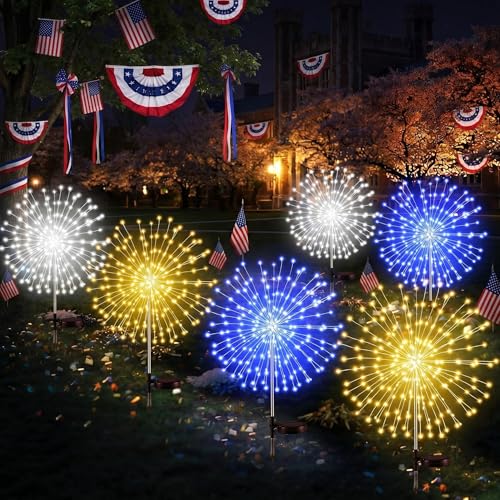
Tujoe 6 Pcs 4th of July Solar Firework Lights Patriotic Solar Light Outdoor Garden 120 LED 8 Modes Waterproof LED Sparkler Light for 250th Anniversary Patio Yard Pathway (Blue,Gold,White)
- Package Includes: 6 firework lights with 120 LEDs each
- DIY Shape Customization: Create fireworks, lanterns, flowers, and more
- Versatile Garden Decor: Enhance garden, courtyard, or sidewalk ambiance
As an affiliate, we earn on qualifying purchases.
As an affiliate, we earn on qualifying purchases.
Historical Roots and Modern Observance of Independence Day
The origins of Independence Day trace back to 1776, when representatives of the Thirteen Colonies adopted the Declaration of Independence, primarily authored by Thomas Jefferson. The first public celebrations occurred in 1777, featuring fireworks and parades. Over the centuries, the holiday has grown into a nationwide event, with the tradition of fireworks dating back to the 19th century. In recent years, celebrations have expanded to include concerts, patriotic displays, and community events, reflecting both historical remembrance and contemporary cultural expressions.
“Independence Day is not just about fireworks; it’s a celebration of the ideals of liberty and democracy that continue to shape the nation.”
— Historian Jane Smith
Evolving Traditions and Challenges in Celebrating Independence Day
While the core traditions of fireworks and parades remain, there is ongoing debate about the holiday’s relevance and how it should evolve to include diverse perspectives. Some critics question whether the holiday adequately addresses historical injustices or reflects the nation’s current diversity. Additionally, concerns about public safety, environmental impact of fireworks, and political polarization influence how celebrations are conducted or perceived.
Future of Independence Day Celebrations and Commemorations
Next year’s Independence Day is expected to feature traditional fireworks displays and public events, though organizers are considering new ways to incorporate more inclusive and sustainable practices. Discussions about the holiday’s meaning and how to adapt it for future generations are ongoing among community leaders and policymakers. The holiday will likely continue to serve as a platform for patriotic expression and national reflection.
Key Questions
Why is July 4th called Independence Day?
It commemorates the adoption of the Declaration of Independence in 1776, when the Thirteen Colonies declared their separation from Britain and began the process of forming an independent nation.
What are common ways Americans celebrate Independence Day?
Celebrations typically include fireworks, parades, concerts, barbecues, and family gatherings. Many cities host large public displays and patriotic events.
Has the way Americans celebrate changed over time?
Yes, while fireworks and parades remain central, modern celebrations often include concerts, community events, and efforts to make festivities more inclusive and environmentally conscious.
Are there any controversies associated with Independence Day?
Some debates focus on the holiday’s historical legacy, including how it addresses issues of justice and diversity, as well as concerns about environmental impact and safety of fireworks.
What is the significance of the Declaration of Independence?
It was a foundational document that articulated the colonies’ reasons for seeking independence and established key principles of liberty and democracy that continue to influence the nation.
Source: google-trends