

To create a basic parenting binder after separation, start by gathering essential documents like birth certificates, custody orders, and medical records. Organize important information on your child’s routines, school, and health. Use tabs or color codes to keep things tidy and update items regularly. Include communication logs and schedules to stay coordinated. Keep everything in a safe, accessible spot. Staying organized reduces stress and helps you stay on top of your child’s needs—more tips await to guide you through the process.

Get gifts for the two of you delivered free with Prime
- Fast, free delivery on millions of items
- Prime Video, Amazon Music and more included
- Member-only deals all year
Key Takeaways
- Gather essential documents such as birth certificates, custody orders, and medical records for quick access.
- Organize communication records, schedules, and important dates to streamline co-parenting discussions.
- Include emotional support resources like counseling contacts and coping strategies to maintain emotional well-being.
- Maintain updated child-related information, including medical, school, and activity details for emergencies.
- Use tabs, color-coding, and a secure storage location to keep the binder organized and easily accessible.
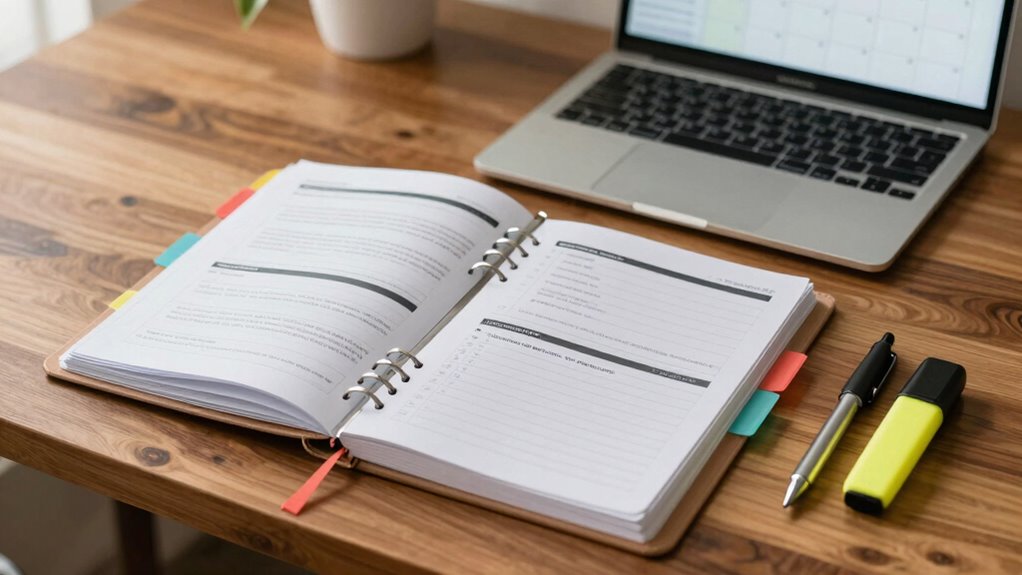
Separating from a partner can be overwhelming, but creating a parenting binder can help you stay organized and confident in managing your child’s needs. This binder becomes your go-to resource, simplifying the many aspects of co-parenting. To start, gather essential documents like your child’s birth certificate, custody orders, medical records, school information, and any legal paperwork related to your separation. Having these handy prevents frantic searches during emergencies or important discussions.
Next, focus on communication strategies within your binder. Include a section dedicated to shared schedules, important dates, and contact information for teachers, healthcare providers, and family members. Clear documentation of your child’s routine helps avoid misunderstandings and guarantees consistency across households. If disagreements arise, having a record of previous conversations or agreements can clarify expectations and foster smoother communication. Writing down key points from discussions or decisions promotes transparency and accountability, reducing conflict. Incorporating effective communication strategies can further improve your co-parenting relationship and ensure everyone stays informed.
In addition to documentation, allocate space for emotional support. Separation can be emotionally taxing, and your binder can serve as a place to note your thoughts, feelings, and coping strategies. Include resources such as counseling contacts, support groups, or articles that offer guidance. Maintaining a record of your emotional journey can be therapeutic and help you reflect on your progress. It also signals to your child that their emotional well-being matters, and you’re actively seeking ways to support them through change. Recognizing the importance of mental health resources can help you find helpful tools and information to navigate this transition. Incorporating emotional well-being strategies can further strengthen your resilience during this period. Additionally, understanding the role of emotional support in co-parenting can help foster a healthier environment for your child.
Your binder should also contain detailed information about your child’s needs and routines. Keep updated medical and school records, extracurricular activities, and any special care instructions. This information helps both parents stay aligned on your child’s needs and guarantees no detail gets overlooked. It’s also useful during medical emergencies or school meetings. Regularly reviewing and updating this information ensures the binder remains a reliable resource.
Finally, establish a system to keep your binder current. Regularly update documents, schedules, and contact information. Consider using tabs or color-coded sections for quick access. Keep the binder in a safe, accessible place where both you and your co-parent can easily review it when needed. This organization fosters a sense of control, reduces stress, and promotes positive communication strategies, all of which support your child’s well-being during this transition. By maintaining a detailed, well-organized parenting binder, you create a stable foundation that benefits everyone involved.
Popular right now

Sony WH-1000XM6 Wireless Noise-Canceling Over-Ear Headphones, Blue, Bundle

TCL 85 Designer Series QD-Mini LED TV (Model 85A400U) with Google Smart TV

Dyson V8 Cordless Vacuum
As an affiliate, we earn on qualifying purchases.
Frequently Asked Questions
How Often Should I Update the Parenting Binder?
You should update your parenting binder whenever there are routine changes or new information to include. Regular binder maintenance, such as reviewing and adjusting schedules or contact info, helps keep everything current and useful. Aim for monthly updates or after significant events like doctor visits, school changes, or custody adjustments. Staying consistent guarantees you’re always prepared and organized, making co-parenting smoother and reducing stress during shifts.
What Should I Include for Emergency Contacts?
You should include an emergency plan and a thorough contact list in your parenting binder. Think of it as your superhero toolkit—filled with emergency contacts like doctors, schools, babysitters, and close family. Make sure this list is easy to find, up-to-date, and covers all bases in case of an emergency. After all, when life throws a curveball, you want to be prepared, not scrambling for a phone book.
How Do I Organize Medical Records Effectively?
To organize medical records effectively, start by creating clearly labeled sections for your child’s medical history, including allergies, surgeries, and ongoing conditions. Keep prescription records handy, noting medication names, dosages, and refill dates. Use binders or digital folders to regularly update these documents, ensuring quick access during emergencies or appointments. Consistently maintain and back up digital copies for secure, organized, and easy retrieval whenever needed.
Can the Binder Be Digital or Only Physical?
Yes, your parenting binder can be digital or physical, depending on your preference. Digital organization offers convenience, quick access, and easy updates, making it perfect for tech-savvy parents. Physical storage provides tangible comfort and security, especially during power outages or tech failures. Consider your lifestyle, comfort level, and accessibility needs when choosing. Both methods help keep important information in one place, simplifying shared parenting and promoting peace of mind.
Who Should Have Access to the Parenting Binder?
You should control access to the parenting binder, ensuring only involved parties—like co-parents and legal representatives—have access, respecting privacy concerns and legal considerations. For digital binders, password protection adds security, while physical copies should be kept in a safe, private location. Limit access to protect sensitive information, and consider consulting a legal professional to make sure you’re complying with privacy laws and any court orders related to the custody arrangement.
Conclusion
Creating a parenting binder is just the beginning. As you fill it with essential details, you’ll start to uncover hidden insights about your new routine—and unexpected challenges may still arise. Will this binder truly bring peace of mind, or will it reveal gaps you hadn’t anticipated? Stay prepared, because the journey of co-parenting after separation is constantly evolving. Your binder isn’t just a tool—it’s a key to steering through the unknown ahead.