

The best relationship book for couples depends on the problem you are trying to solve: for a structured, evidence-based program, The Seven Principles for Making Marriage Work stands out as my best overall pick because it translates decades of research into practical weekly exercises. Couples focused specifically on breaking destructive conflict patterns will get more from Fight Right or Hold Me Tight, while partners who want an affordable, low-commitment starting point should look at The 5 Love Languages. The main tradeoff in this category is between deep therapeutic workbooks that demand real effort from both partners and lighter reads that offer quick insights but rarely change entrenched patterns. Price differences are small; the real cost is the time and willingness each book requires. Keep reading for the full breakdown of all 15 titles and which one matches your situation.

Get gifts for the two of you delivered free with Prime
- Fast, free delivery on millions of items
- Prime Video, Amazon Music and more included
- Member-only deals all year
Key Takeaways
- Books grounded in clinical research (Seven Principles, Hold Me Tight, Fight Right) consistently outperformed generic self-help titles because they name the specific destructive patterns couples fall into.
- Workbook-style picks like How We Love Workbook and the 8-Week Relationship Workbook only pay off if both partners commit; buying them for a reluctant partner is the most common mistake in this category.
- The 5 Love Languages remains the cheapest, fastest entry point, but its vocabulary-based approach is too shallow to resolve active conflict or repair broken trust.
- Trust-specific books (Rebuilding Trust, Getting the Love You Want) fill a gap the general communication titles cannot — communication skills alone do not repair betrayal.
- The Gottman-derived titles (Eight Dates, Fight Right, Seven Principles) form a natural progression: date-based conversation starters for newer couples, conflict skills for established ones, and the full program for troubled marriages.
| How We Love Workbook, Expanded Edition: Making Deeper Connections in Marriage | 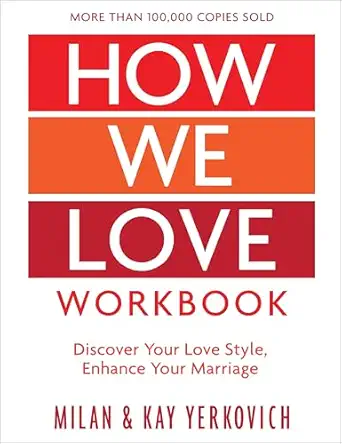 | Best Hands-On Workbook | Format: Paperback workbook | Edition: Expanded edition | Focus: Emotional connection and intimacy in marriage | VIEW LATEST PRICE | See Our Full Breakdown |
| Hold Me Tight: Seven Conversations for a Lifetime of Love | 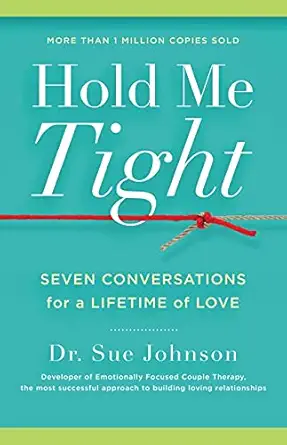 | Best Overall | Format: Paperback and ebook | Framework: Emotionally Focused Therapy (EFT) | Structure: Seven guided conversations | VIEW LATEST PRICE | See Our Full Breakdown |
| Fight Right: How Successful Couples Turn Conflict Into Connection |  | Best for Conflict-Heavy Couples | Format: Hardcover, paperback, ebook, audio | Focus: Conflict transformation and repair | Approach: Research-informed couples dynamics | VIEW LATEST PRICE | See Our Full Breakdown |
| Communication Skills for Couples: Guide to Improve Communications, Resolve Conflict, Deepen Intimacy, Strengthen Marriage and Create a Healthy Relationship |  | Best Budget Entry Point | Format: Paperback | Focus: Communication, conflict, intimacy, and marriage skills | Approach: Practical strategies and tactics | VIEW LATEST PRICE | See Our Full Breakdown |
| Rebuilding Trust: Guided Therapy Techniques and Activities to Restore Love, Trust, and Intimacy in Your Relationship |  | Best for Repairing Trust | Format: Paperback | Focus: Trust repair, love, and intimacy restoration | Approach: Guided therapy techniques and activities | VIEW LATEST PRICE | See Our Full Breakdown |
| Getting the Love You Want: A Guide for Couples, Third Edition |  | Best for Deep Emotional Understanding | Author: Harville Hendrix and Helen LaKelly Hunt | Edition: Third Edition | Approach: Imago relationship therapy | VIEW LATEST PRICE | See Our Full Breakdown |
| Relationship Workbook for Couples: 8-Week Program and Proven Strategies to Rebuild Trust, Resolve Conflict, Improve Communication, and Rekindle Intimacy |  | Best Structured Program | Format: Workbook with exercises | Program Length: 8 weeks | Focus Areas: Trust, conflict resolution, communication, intimacy | VIEW LATEST PRICE | See Our Full Breakdown |
| Eight Dates: Essential Conversations for a Lifetime of Love |  | Best for Date-Night Connection | Authors: John Gottman, Julie Schwartz Gottman, Doug Abrams, and Rachel Carlton Abrams | Format: Paperback, e-book, audio | Structure: 8 guided date-night conversations | VIEW LATEST PRICE | See Our Full Breakdown |
| The 5 Love Languages®: The Secret to Love That Lasts |  | Best Starter Book | Author: Gary Chapman | Format: Paperback, hardcover, e-book, audio | Core Framework: Five love languages | VIEW LATEST PRICE | See Our Full Breakdown |
| His Needs, Her Needs: Making Romantic Love Last |  | Best for Long-Term Marriage Maintenance | Author: Willard F. Harley Jr. | Format: Paperback, e-book, audio | Core Framework: Ten emotional needs in marriage | VIEW LATEST PRICE | See Our Full Breakdown |
| The Seven Principles for Making Marriage Work |  | Best Research-Backed Classic | Format: Paperback, hardcover, audiobook, Kindle | Author: John Gottman, PhD, with Nan Silver | Primary focus: Marriage stability, communication, conflict resolution | VIEW LATEST PRICE | See Our Full Breakdown |
| Love More, Fight Less: Communication Skills Every Couple Needs | 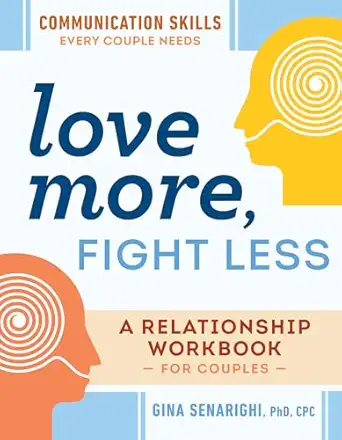 | Best Hands-On Workbook | Format: Paperback workbook | Primary focus: Communication skills and conflict reduction | Approach: Guided exercises and prompts | VIEW LATEST PRICE | See Our Full Breakdown |
| The Next Conversation: Argue Less, Talk More |  | Best for Breaking Argument Cycles | Format: Kindbook, audiobook, paperback | Primary focus: Reducing arguments and improving conversation quality | Approach: Practical communication strategies | VIEW LATEST PRICE | See Our Full Breakdown |
| The Inner Work of Relationships: An Invitation to Heal Your Inner Child and Create a Conscious Relationship Together |  | Best for Deep Personal Healing | Format: Paperback, Kindle | Primary focus: Inner child healing and conscious partnership | Approach: Reflective, therapeutic self-work plus couple guidance | VIEW LATEST PRICE | See Our Full Breakdown |
| Communicate Your Feelings (Without Starting a Fight): What to Say and What Not to Say to Your Partner |  | Best Script-Based Quick Reference | Format: Paperback, Kindle | Primary focus: Expressing feelings without triggering conflict | Approach: Scripted phrases and say/don’t-say guidance | VIEW LATEST PRICE | See Our Full Breakdown |
| relationship books for couple | Format | Approach | Audience |
|---|---|---|---|
| How We Love Workbook | Paperback workbook | Attachment-style based exercises | — |
| Hold Me Tight: Seven Conversat | Paperback and ebook | — | — |
| Fight Right: How Successful Co | Hardcover, paperback, ebook, audio | Research-informed couples dynamics | — |
| Communication Skills for Coupl | Paperback | Practical strategies and tactics | — |
| Rebuilding Trust: Guided Thera | Paperback | Guided therapy techniques and activities | — |
| Getting the Love You Want: A G | Paperback, e-book, audio | Imago relationship therapy | Committed couples, married or long-term |
| Relationship Workbook for Coup | Workbook with exercises | — | Couples doing guided self-help together |
| Eight Dates: Essential Convers | Paperback, e-book, audio | — | Dating, engaged, and married couples |
| The 5 Love Languages®: The Sec | Paperback, hardcover, e-book, audio | — | Couples at any stage, gift-givers |
| His Needs | Paperback, e-book, audio | — | Married and long-committed couples |
| The Seven Principles for Makin | Paperback, hardcover, audiobook, Kindle | Research-based principles with exercises | Married and long-term committed couples |
| Love More | Paperback workbook | Guided exercises and prompts | Couples at any relationship stage |
| The Next Conversation: Argue L | Kindbook, audiobook, paperback | Practical communication strategies | Couples and individuals in frequent conflict |
| The Inner Work of Relationship | Paperback, Kindle | Reflective, therapeutic self-work plus couple guidance | Couples interested in self-help and emotional healing |
| Communicate Your Feelings | Paperback, Kindle | Scripted phrases and say/don’t-say guidance | Individuals and couples wanting practical wording |
More Details on Our Top Picks
How We Love Workbook, Expanded Edition: Making Deeper Connections in Marriage
Most relationship books ask you to read and reflect; this one asks you to do the work together, which is exactly why it earns the hands-on slot in this lineup. The expanded edition builds on attachment-style frameworks with structured exercises and prompts that turn abstract concepts about emotional connection into concrete conversations. Compared with Hold Me Tight, which explains the theory beautifully but leaves application largely to the reader, this workbook functions more like a guided couples activity — closer to the Relationship Workbook for Couples in tone, but with a sharper focus on attachment patterns. The tradeoff is real, though: it demands active participation from both partners, and a reluctant spouse will leave half the pages blank. It also works best alongside reading, not as a standalone theory primer.
Pros:- Practical exercises that convert insight into real conversations
- Attachment-based approach gets at the roots of disconnection, not just symptoms
- Expanded edition adds depth and more prompts than the original
- Format naturally creates shared couples time rather than solo reading
Cons:- Requires genuine commitment from both partners to be effective
- Thin on theory — benefits from pairing with a book like Hold Me Tight for context
Best for: Married couples who already understand their relationship needs work and want structured exercises rather than more theory to read
Not ideal for: Couples where one partner is unwilling to participate in written exercises, since the format collapses without buy-in from both sides
- Format:Paperback workbook
- Edition:Expanded edition
- Focus:Emotional connection and intimacy in marriage
- Approach:Attachment-style based exercises
- Participation:Requires both partners
- Best pairing:Complements theory-driven titles like Hold Me Tight
Our verdict“Buy this if you and your partner want a doing-oriented tool rather than another book to discuss — and skip it if either of you won’t pick up a pen.”
Hold Me Tight: Seven Conversations for a Lifetime of Love
This is the pick I would hand most couples first, because it combines clinically grounded theory with a clear, repeatable structure: seven conversations adapted from emotionally focused therapy. Compared with lighter communication guides like Love More, Fight Less, this book goes after the emotional attachment underneath arguments rather than just teaching better phrasing — which is why couples often describe it as harder but more transformative. It also serves as the intellectual foundation for other titles here; the How We Love Workbook pairs naturally with it when you want exercises to match the ideas. The honest tradeoff: it is not a quick fix. Readers expecting instant scripts will be frustrated, and couples in acute crisis may need a therapist alongside it. For committed partners willing to slow down, it earns the top spot.
Pros:- Grounded in emotionally focused therapy, one of the most researched couples approaches
- Seven-conversation structure gives couples a clear path to follow
- Addresses root attachment needs, not just surface-level communication
- Written accessibly despite its clinical foundation
Cons:- Demands sustained commitment; progress is gradual rather than immediate
- Some couples find the emotional intensity of the conversations difficult without professional support
Best for: Committed couples who want a deep, research-backed framework for understanding emotional patterns, not just communication tips
Not ideal for: Couples in active crisis or those wanting fast, scripted fixes — the concepts require patience and sustained effort to apply
- Format:Paperback and ebook
- Framework:Emotionally Focused Therapy (EFT)
- Structure:Seven guided conversations
- Author background:Clinical psychologist and EFT developer
- Focus:Emotional attachment and bonding
- Time commitment:Moderate to high
Our verdict“The strongest all-around choice for couples ready to do meaningful emotional work rather than skim communication hacks.”
Fight Right: How Successful Couples Turn Conflict Into Connection
Where Hold Me Tight asks couples to explore attachment wounds, this book meets them where most fights actually happen: in the kitchen, mid-argument. Its premise — that conflict itself can become a path to connection when handled well — makes it the natural pick for couples who love each other but fight badly. Compared with The Next Conversation, which leans toward general de-escalation tactics, this title reframes what fighting means, helping partners understand why the same fights repeat and what each argument reveals. The tradeoff is scope: it is laser-focused on conflict and says relatively little about intimacy, date nights, or long-term bonding, so couples seeking a whole-relationship overhaul should treat it as a companion to something broader like The Seven Principles for Making Marriage Work rather than a one-book solution.
Pros:- Reframes conflict as an opportunity rather than a threat
- Explains why couples get stuck in the same recurring fights
- Practical strategies suited to real-time arguments
- Focused scope makes it faster to digest than comprehensive guides
Cons:- Narrow focus on conflict leaves intimacy and connection-building largely uncovered
- Couples with low baseline conflict may find much of it inapplicable
Best for: Couples stuck in repetitive, heated arguments who want to understand and redirect their conflict patterns
Not ideal for: Couples seeking a broad relationship manual, since the scope is tightly limited to conflict dynamics
- Format:Hardcover, paperback, ebook, audio
- Focus:Conflict transformation and repair
- Approach:Research-informed couples dynamics
- Structure:Practical strategies with couple examples
- Reading depth:Moderate
- Best use:Conflict-focused companion to broader guides
Our verdict“The right choice if fighting is your relationship’s core problem; pair it with a broader guide if it isn’t your only one.”
Communication Skills for Couples: Guide to Improve Communications, Resolve Conflict, Deepen Intimacy, Strengthen Marriage and Create a Healthy Relationship
For couples who want actionable communication tactics without a big investment of money or reading time, this is the sensible entry point in the lineup. It covers a wide sweep — communication, conflict resolution, intimacy, and marriage-strengthening — in an accessible, list-friendly format that a skeptical or busy partner will actually finish. Compared with Hold Me Tight, it sacrifices depth for approachability: you get practical phrases and habits rather than a therapeutic framework explaining why disconnection happens. That breadth is also its weakness; a couple with a specific problem, like broken trust, would be better served by Rebuilding Trust, and those wanting a proven methodology should pay more for the bigger names. But as a low-cost first step or a gift for a couple who won’t tackle a 300-page clinical guide, it fills a genuine gap between heavyweight titles and doing nothing.
Pros:- Very accessible; short enough for busy or reluctant partners to finish
- Covers communication, conflict, and intimacy in one affordable package
- Tactical tone makes advice easy to apply immediately
- Low financial risk as a first relationship book
Cons:- Broad and shallow compared with clinically grounded titles like Hold Me Tight
- Lacks the named methodology and reputation of better-known authors in this space
Best for: Budget-conscious couples or reluctant readers who want quick, practical communication tactics before committing to deeper books
Not ideal for: Couples with a serious specific issue — trust betrayal, chronic conflict — who need a targeted, deeper resource instead of a broad overview
- Format:Paperback
- Focus:Communication, conflict, intimacy, and marriage skills
- Approach:Practical strategies and tactics
- Depth:Introductory overview
- Price point:Budget-friendly
- Reading time:Short
Our verdict“A cheap, low-commitment starting point for couples testing whether self-help books can help them at all.”
Rebuilding Trust: Guided Therapy Techniques and Activities to Restore Love, Trust, and Intimacy in Your Relationship
Every lineup in this category needs a book for couples whose core problem is broken trust, and this is that pick. It offers guided therapy techniques and structured activities aimed specifically at healing betrayal and restoring intimacy — a sharper mandate than general communication titles like Communication Skills for Couples, which only gestures at trust in passing. Compared with the Relationship Workbook for Couples, it is more clinically oriented, borrowing from therapy practice rather than a generic eight-week program, which matters because trust repair after infidelity or deception is not a skill-building exercise so much as a healing process. The tradeoffs are real: results demand genuine commitment from both partners, and no book substitutes for a couples therapist when the breach is severe. It also presumes the relationship is worth saving — a decision only the readers can make.
Pros:- Directly targets trust repair rather than general communication
- Therapy-informed techniques lend clinical credibility
- Guided activities give couples a concrete process instead of vague advice
- Addresses love and intimacy restoration alongside trust itself
Cons:- Effectiveness depends heavily on both partners’ sustained willingness
- Not a substitute for professional therapy in cases of serious betrayal
Best for: Couples working to repair trust after betrayal, deception, or a serious rupture who want structured, therapy-informed exercises to follow together
Not ideal for: Couples still deciding whether to stay together, or those with severe betrayal — a licensed therapist should come before any book
- Format:Paperback
- Focus:Trust repair, love, and intimacy restoration
- Approach:Guided therapy techniques and activities
- Participation:Requires both partners
- Best use:Post-betrayal relationship repair
- Professional support:Recommended alongside for severe cases
Our verdict“Choose this when trust — not communication or romance — is the wound, and both partners are committed to healing it.”
Getting the Love You Want: A Guide for Couples, Third Edition
This pick stands out for couples who want to understand why they react the way they do in relationships, not just how to argue better. Based on Imago therapy, it frames conflict as a window into childhood wounds, which gives it more psychological depth than The 5 Love Languages but also makes it heavier going. The third edition includes updated material on same-sex couples and modern research, which earlier printings lacked. Compared with Hold Me Tight, which covers similar attachment territory through guided conversations, this one leans more theoretical and less exercise-driven. That’s the tradeoff: readers get a richer framework for self-awareness, but couples who want concrete weekly homework will find the structure looser than a workbook like Relationship Workbook for Couples offers.
Pros:- Grounded in decades of Imago therapy practice
- Third edition adds updated, inclusive content
- Explains the psychology behind recurring conflicts
- Works equally well read solo or as a couple
Cons:- Denser and more theoretical than exercise-based guides
- Concepts require reflection and effort to apply, not quick fixes
Best for: Couples who keep repeating the same fights and want to understand the emotional roots underneath them
Not ideal for: Couples in crisis who need immediate, actionable scripts — the theory-first approach takes patience to pay off
- Author:Harville Hendrix and Helen LaKelly Hunt
- Edition:Third Edition
- Approach:Imago relationship therapy
- Focus Areas:Communication, intimacy, partner dynamics
- Format:Paperback, e-book, audio
- Audience:Committed couples, married or long-term
- Origin:Based on a clinical therapeutic model
Our verdict“This is the book for couples ready to dig into the emotional ‘why’ behind their patterns rather than patching symptoms.”
Relationship Workbook for Couples: 8-Week Program and Proven Strategies to Rebuild Trust, Resolve Conflict, Improve Communication, and Rekindle Intimacy
If the idea of an eight-week syllabus appeals, this workbook is the most prescriptive option in this lineup. Unlike Eight Dates, which spreads conversation across date nights, this book assigns weekly exercises with a clear progression from trust repair to intimacy rebuilding. That structure is its biggest strength and its biggest liability: couples who follow through get a sense of momentum, but both partners need to commit for the full two months, and a halfhearted attempt can stall by week three. Compared with Rebuilding Trust, which zeroes in on betrayal recovery, this covers a broader sweep — communication, conflict, trust, and intimacy — at the cost of less depth on any single topic. It suits couples who want homework, not just reading.
Pros:- Clear 8-week structure with week-by-week exercises
- Covers trust, conflict, communication, and intimacy in one program
- Cheaper than a single therapy session
- Action-oriented rather than purely theoretical
Cons:- Requires sustained two-month commitment from both partners
- Broad scope means less depth than single-issue books like Rebuilding Trust
Best for: Self-directed couples who thrive on schedules and want therapy-style exercises without the therapist’s price tag
Not ideal for: Couples where one partner is reluctant — the program collapses without shared participation
- Format:Workbook with exercises
- Program Length:8 weeks
- Focus Areas:Trust, conflict resolution, communication, intimacy
- Structure:Progressive weekly program
- Audience:Couples doing guided self-help together
- Style:Exercise-based, homework-driven
Our verdict“Buy this if you and your partner will actually do the homework; skip it if consistency is your weak spot.”
Eight Dates: Essential Conversations for a Lifetime of Love
This option turns relationship work into something that feels like a date instead of a chore. Eight structured evenings — covering trust, conflict, sex, money, and more — give couples ready-made conversation agendas, which is far more romantic than sitting down with a workbook. Compared with Getting the Love You Want, it demands much less emotional archaeology; the prompts get couples talking, but they won’t untangle deep-rooted patterns. The tradeoff versus the Relationship Workbook for Couples is clear: this is lighter, more social, and easier to actually start, but couples in serious distress will likely need something with more clinical weight afterward. It shines as a preventive maintenance tool for relationships that are basically healthy and want to stay that way.
Pros:- Turns relationship work into enjoyable date nights
- Covers eight essential topics including money, sex, and family
- Low barrier to entry — easy to start this weekend
- Backed by research from the Gottman Institute tradition
Cons:- Too lightweight for relationships in crisis
- Effectiveness depends on both partners engaging honestly with the prompts
Best for: Busy couples in stable relationships who want meaningful conversation without heavy therapeutic work
Not ideal for: Couples dealing with active conflict or betrayal — the conversational format lacks the depth those situations demand
- Authors:John Gottman, Julie Schwartz Gottman, Doug Abrams, and Rachel Carlton Abrams
- Format:Paperback, e-book, audio
- Structure:8 guided date-night conversations
- Topics Covered:Trust, conflict, sex, money, family, spirituality, adventure, dreams
- Research Basis:Gottman Institute relationship research
- Audience:Dating, engaged, and married couples
Our verdict“The friendliest entry point on this list for couples who’d rather talk over dinner than fill out worksheets.”
The 5 Love Languages®: The Secret to Love That Lasts
For couples new to relationship books, this is the easiest on-ramp in the roundup. The core idea — everyone gives and receives love in one of five ways — can be absorbed in a weekend and applied immediately, which no other pick here can claim. Compared with Getting the Love You Want, it sacrifices psychological depth for accessibility, and compared with Eight Dates, it offers a framework rather than a schedule. The tradeoff is real: the concept is simplistic by design, and couples with entrenched problems will find it doesn’t go far enough. Some readers also find the writing dated in tone. But as a shared vocabulary starter — especially for a partner who resists ‘relationship work’ — it remains the least intimidating option available.
Pros:- Extremely accessible and quick to read
- Provides a shared vocabulary couples use for years
- Applies to dating, marriage, parenting, and friendships
- Includes a free online assessment quiz
Cons:- Single-concept book feels thin compared with multi-framework picks
- Writing style and examples can feel dated to some readers
Best for: Couples (or a reluctant partner) new to relationship books who want one simple, immediately usable idea
Not ideal for: Couples with serious conflict or communication breakdowns — one framework won’t address root causes
- Author:Gary Chapman
- Format:Paperback, hardcover, e-book, audio
- Core Framework:Five love languages
- Reading Level:Beginner-friendly
- Companion Tool:Free online love languages assessment
- Audience:Couples at any stage, gift-givers
- Popularity:Long-running New York Times bestseller
Our verdict“The best first relationship book a couple can buy — just don’t expect it to be the last one you need.”
His Needs, Her Needs: Making Romantic Love Last
This pick makes the most sense for married couples focused on the long haul, where the goal is sustaining romance rather than repairing damage. Its checklist of ten emotional needs — and the argument that affairs happen when those needs go unmet — gives partners a concrete way to audit what’s missing. Compared with The 5 Love Languages, it offers more granularity: five broad languages become ten specific needs, which some couples find more actionable and others find more tedious. The traditional framing of the title and some gendered assumptions won’t land well with every reader, and the material can feel repetitive across chapters. It’s also less suited to crisis situations than Rebuilding Trust. For stable marriages drifting into autopilot, though, the needs-audit approach is genuinely useful.
Pros:- Ten-need framework is concrete and easy to audit
- Directly addresses why passion fades in stable marriages
- Strong emphasis on meeting both partners’ needs equally
- Practical strategies for rebuilding romantic love
Cons:- Gendered framing feels dated to many modern readers
- Content becomes repetitive across chapters
- Doesn’t address serious issues like infidelity recovery in depth
Best for: Long-married couples who feel emotionally disconnected but not in crisis and want a practical needs inventory
Not ideal for: Readers who bristle at traditional gender roles, and couples needing betrayal-recovery depth
- Author:Willard F. Harley Jr.
- Format:Paperback, e-book, audio
- Core Framework:Ten emotional needs in marriage
- Focus Areas:Romantic love, affair prevention, marital satisfaction
- Audience:Married and long-committed couples
- Style:Practical advice with needs checklist
- Background:Based on the author’s marriage counseling practice
Our verdict“A solid maintenance manual for traditional marriages that want to prevent drift — with some dated framing to look past.”
The Seven Principles for Making Marriage Work
The Seven Principles for Making Marriage Work stands out as the most evidence-based pick in this lineup, drawing on decades of clinical observation from John Gottman, whose research on predicting divorce is widely cited across the field. Compared with Love More, Fight Less, which leans on workbook exercises, this book gives couples a diagnostic framework — identifying the behaviors that erode marriages and offering corrective habits rooted in data rather than anecdote. The tradeoff is density: this is a longer, more analytical read than slimmer guides like Communicate Your Feelings, and the principles only pay off if both partners commit to practicing them. Readers wanting quick scripts should look elsewhere.
Pros:- Grounded in decades of clinical research from a leading relationship expert
- Identifies specific destructive patterns couples can learn to recognize and change
- Actionable strategies for communication, intimacy, and conflict resolution
- Widely referenced by therapists, making it a credible anchor for couples counseling
Cons:- Longer and denser than quick-fix communication guides
- Some advice feels general and needs adaptation to a couple’s specific situation
- Demands real commitment from both partners to see results
Best for: Married couples and long-term partners who want authoritative, research-grounded guidance and are willing to invest time in a longer read
Not ideal for: Couples in crisis who need immediate, scripted interventions — the pacing is slow and the advice requires sustained effort to apply
- Format:Paperback, hardcover, audiobook, Kindle
- Author:John Gottman, PhD, with Nan Silver
- Primary focus:Marriage stability, communication, conflict resolution
- Approach:Research-based principles with exercises
- Audience:Married and long-term committed couples
- Includes:Quizzes, checklists, and couple exercises
- Reading depth:Full-length book, moderate density
Our verdict“This is the book for couples who want the most clinically validated roadmap available and will put in the work to follow it.”
Love More, Fight Less: Communication Skills Every Couple Needs
Where The Seven Principles for Making Marriage Work explains the theory, Love More, Fight Less gets couples doing something. Its whole value proposition is the exercise format: guided prompts and activities that turn abstract communication advice into practice, similar to the Relationship Workbook for Couples elsewhere in this roundup but with a tighter focus on conflict and everyday dialogue. This pick makes the most sense for couples who learn by writing and talking rather than reading chapters of explanation. The tradeoff is that a workbook is only as good as the effort put in — partners who won’t sit down together weekly will get little from it, and the material is lighter on the underlying psychology than Gottman’s work.
Pros:- Exercise-driven format that converts advice into practice
- Focused specifically on communication and conflict resolution
- Accessible for couples new to relationship self-help
- Works well as a shared weekly activity
Cons:- Requires buy-in and active participation from both partners
- Less psychological depth than research-based titles like The Seven Principles
- Thin supporting context for why the exercises work
Best for: Couples who prefer structured, fill-in exercises and want a do-it-together activity rather than a passive read
Not ideal for: Partners where only one person is willing to participate, or couples who want deep theoretical context behind the exercises
- Format:Paperback workbook
- Primary focus:Communication skills and conflict reduction
- Approach:Guided exercises and prompts
- Structure:Activity-based chapters
- Audience:Couples at any relationship stage
- Time commitment:Ongoing, exercise-driven
Our verdict“A strong choice for couples who want homework, not lectures, and will actually do the exercises together.”
The Next Conversation: Argue Less, Talk More
The Next Conversation zeros in on a narrower problem than most books here: the recurring, escalating argument. Compared with Fight Right, which reframes conflict as an opportunity for connection, this book takes a more preventive angle — how to head off fights before they ignite by changing how you listen and respond. That makes it a better fit for couples stuck in repetitive blowups rather than those working through deeper attachment wounds. The tradeoff is breadth: it won’t address trust repair or long-term intimacy the way Hold Me Tight does, and readers dealing with serious relationship damage will outgrow it quickly. It’s a targeted tool, not a complete relationship manual.
Pros:- Tightly focused on a single, common problem: recurring arguments
- Emphasis on listening skills that transfer beyond romantic relationships
- Practical strategies rather than abstract theory
- Approachable for readers intimidated by clinical texts
Cons:- Narrow scope that skips trust, intimacy, and deeper repair work
- Fewer concrete scripts than more structured guides like Communicate Your Feelings
- Limited depth for couples with entrenched, long-standing conflict
Best for: Couples who argue in repeating patterns and want a focused playbook for de-escalating everyday conflicts
Not ideal for: Couples dealing with betrayal, trust loss, or deep-rooted issues — the scope is everyday conflict, not repair work
- Format:Kindbook, audiobook, paperback
- Primary focus:Reducing arguments and improving conversation quality
- Approach:Practical communication strategies
- Core skill taught:Active listening and de-escalation
- Audience:Couples and individuals in frequent conflict
- Depth:Single-topic, moderate length
Our verdict“Choose this if daily arguments are your main friction point and you want a focused fix rather than a full relationship overhaul.”
The Inner Work of Relationships: An Invitation to Heal Your Inner Child and Create a Conscious Relationship Together
This is the most introspective entry in the lineup. While The Seven Principles works on the relationship from the outside in, The Inner Work of Relationships works from the inside out, arguing that unhealed childhood patterns drive repeated conflict and that partners must do individual work alongside the couple work. It sits closest in spirit to How We Love and Getting the Love You Want, both of which also tie adult relationship behavior to early attachment. The payoff can be transformative; the cost is effort and patience. This is not a quick-skills book like Communicate Your Feelings — couples looking for immediate scripts will find it slow, and those skeptical of inner-child frameworks may bounce off the language entirely.
Pros:- Connects individual healing to relationship health in a coherent framework
- Suitable for couples who want growth beyond surface-level communication tips
- Blends personal development with shared relationship practice
- Gentle, non-blaming approach that works for sensitive partners
Cons:- Slower pace than skill-focused books like Love More, Fight Less
- Inner-child terminology may alienate skeptical or pragmatic readers
- Benefits depend on both partners engaging in self-reflection
Best for: Couples who suspect old wounds and childhood patterns are driving their conflicts and are ready for slow, reflective work
Not ideal for: Practical-minded readers who want scripts and tactics now — the therapeutic framing and pacing will frustrate them
- Format:Paperback, Kindle
- Primary focus:Inner child healing and conscious partnership
- Approach:Reflective, therapeutic self-work plus couple guidance
- Framework:Inner child and consciousness-based
- Audience:Couples interested in self-help and emotional healing
- Depth:Deep, introspective read
Our verdict“A worthwhile pick for couples ready to examine their own histories rather than just fixing arguments on the surface.”
Communicate Your Feelings (Without Starting a Fight): What to Say and What Not to Say to Your Partner
The clearest differentiator here is the do-say/don’t-say format. Rather than building theory like Hold Me Tight or assigning homework like Love More, Fight Less, this book functions as a phrase-level toolkit — concrete language for raising difficult feelings without triggering defensiveness. For a partner who reads a chapter of Gottman and still doesn’t know what to actually say at dinner tonight, this bridges the gap. Compared with The Next Conversation, it’s more prescriptive and immediate. The tradeoff is that scripts without context can feel mechanical, and the book does little to explain the emotional roots of conflict, so couples with deeper problems will need a second, meatier title alongside it.
Pros:- Concrete what-to-say and what-not-to-say guidance that’s usable immediately
- Low time commitment and easy to skim before a difficult conversation
- Directly targets the fear of starting a fight when raising feelings
- Good entry point for partners resistant to longer relationship books
Cons:- Scripts can feel formulaic without the theory behind them
- Shallow treatment of why conflicts happen in the first place
- Not enough depth on trust, intimacy, or long-term repair
Best for: Partners who freeze up in hard conversations and want exact wording they can use tonight
Not ideal for: Couples seeking root-cause work or a full relationship framework — the scripts address symptoms, not underlying patterns
- Format:Paperback, Kindle
- Primary focus:Expressing feelings without triggering conflict
- Approach:Scripted phrases and say/don’t-say guidance
- Structure:Quick-reference style, short chapters
- Audience:Individuals and couples wanting practical wording
- Time commitment:Low — skimmable
Our verdict“Best as a fast, practical phrasebook for emotional conversations — pair it with a deeper title if you want lasting change.”

How We Picked
I evaluated each book against four buyer-relevant criteria. Evidence base came first: books anchored in clinical research or established therapeutic models (Gottman method, Emotionally Focused Therapy, imago therapy) ranked higher than titles relying on anecdote or pop psychology. Practical structure mattered just as much — books with exercises, conversation scripts, and clear weekly programs earn their price only when couples can actually follow them without a therapist. Specificity of problem separated the field further: a book that claims to fix everything usually fixes nothing, so I favored titles that clearly state whether they target conflict, trust, intimacy, or general connection.
Finally, I weighed accessibility and partner buy-in. The best relationship book is the one both people will actually read, so length, tone, and homework load all affected placement. Lighter titles ranked higher for beginners despite thinner content, while demanding workbooks earned top spots only when their depth justified the effort. This is why the ranking mixes popular gateway books with intensive therapeutic programs rather than listing them by sales alone.
Factors to Consider When Choosing Relationship Books For Couples
Choosing a relationship book is less about finding the best-reviewed title and more about matching the book’s method to your relationship’s actual problem and both partners’ willingness to engage.Match the Book to Your Actual Problem
The most common buying mistake is treating all relationship books as interchangeable. A book designed to improve everyday communication will feel frustratingly inadequate if you are recovering from an affair, and a trust-repair workbook will feel heavy for a couple who simply argues about chores. Before buying, name your issue in one sentence: we fight badly, we’ve drifted apart, or trust is broken point to three entirely different shelves. Conflict-focused books teach de-escalation and repair attempts; connection-focused books offer conversation structures and shared activities; trust books guide disclosure and accountability over months, not weekends. Couples who buy the wrong category often conclude that books do not work, when the real issue was a mismatch. If you are unsure, a broad-spectrum title like a Gottman-based guide covers the most ground.
Workbook or Read-Alone Book?
This decision matters more than price. Read-alone books can be absorbed by one partner and still shift the relationship dynamic, because even one person changing their communication style changes the system. Workbooks, by contrast, require both partners to fill in prompts, answer questions, and discuss — which makes them far more powerful and far easier to abandon. Be honest about your partner: if they are reluctant, a workbook gifted to them often becomes a source of resentment rather than repair. A reasonable strategy is to start with a read-alone title, apply one or two concepts for a month, and upgrade to a workbook only once both of you see value. Workbooks with a week-by-week structure are easier to sustain than open-ended ones with no timeline.
Evidence-Based Methods vs. Pop Psychology
Books in this category generally draw from a handful of therapeutic frameworks, and knowing them helps you buy intelligently. Gottman method books lean on observational research about what predicts divorce and emphasize behavioral skills. Emotionally Focused Therapy (Hold Me Tight and its offshoots) targets the emotional attachment underneath arguments. Imago therapy (Getting the Love You Want) frames conflict as unresolved childhood wounds resurfacing. None is universally best: action-oriented couples tend to click with Gottman, emotionally expressive couples with EFT, and introspective couples with imago. Pop-psychology titles with no clinical lineage can still offer useful framing, but treat their claims skeptically when your problems are serious.
Length, Effort, and Realistic Time Commitment
A 350-page program with weekly homework is a three-month project, and couples consistently underestimate this. Before buying, look at how the book is structured: dated programs (8-week workbooks, seven-conversation formats) tell you exactly what you are signing up for, while unstructured books let you set your own pace. Consider your season of life — couples with newborns or brutal work schedules will not finish a demanding program, and an unfinished workbook can feel like one more failure. Shorter, scripted books that teach what to say fit better into chaotic lives than deep-dive theory. There is no prize for choosing the most thorough book; there is real value in choosing the one you will finish.
When a Book Is Not Enough
Books work well for communication friction, drifting connection, and premarital preparation. They work poorly — and no author of the good ones claims otherwise — for active infidelity, abuse, untreated addiction, or contempt so entrenched that one partner will not engage. If you find that every exercise turns into a fight, that is useful diagnostic information, not a sign you picked the wrong book. Several of the strongest titles in this roundup explicitly tell readers when to seek a couples therapist, and I weighted that honesty positively. Think of books as either prevention, maintenance, or a bridge to therapy — not a replacement for it. Couples who use a book to clarify what they want before starting counseling often get more from the sessions.
Newer Couples vs. Long-Term Marriages
Stage of relationship changes the right pick more than most buyers expect. Dating and newly committed couples benefit most from conversation-based books that build a shared map of each other’s values, finances, and family expectations before problems calcify. Long-married couples usually need books that address rut, resentment, and entrenched conflict patterns, which require different tools than getting-to-know-you prompts. Books aimed at engaged or new couples can feel patronizing to a twenty-year marriage, while intensive marriage-repair books can alarm a new couple who does not have serious problems. If you are blending families or remarrying, look for titles that address step-dynamics directly, since standard couple frameworks assume a first partnership.
Frequently Asked Questions
Can a relationship book actually help if only one partner reads it?
Yes, but the outcome depends on which book and what problem. Communication-skills titles are the most transferable to solo reading, because one partner consistently using de-escalation and non-blaming language changes the dynamic even when the other never opens the book — The Next Conversation and Communicate Your Feelings are built with exactly this solo-reader in mind. Deep therapeutic workbooks, by contrast, are designed for two people and tend to fail when one partner works through them alone, sometimes even breeding resentment. If your partner refuses to engage, start with a scripted communication book rather than a couples workbook. If nothing shifts after a few months of genuine solo effort, that is often the signal to bring in a therapist rather than try another book.
Which book should I buy first if we argue constantly?
For frequent, heated conflict, Fight Right is the most direct match because it teaches how to argue rather than pretending you can eliminate arguments. The Next Conversation is the better first pick if your fights escalate because of how things are said — insults, shutdowns, score-keeping — since it works at the sentence level. If your arguments feel less like disagreements and more like repeated abandonment or rejection, Hold Me Tight addresses the emotional attachment underneath the fighting, though it asks more of you. A practical approach: pick Fight Right first, and move to Hold Me Tight only if the fighting calms but the disconnection remains. Avoid starting with general intimacy or love-languages titles, which do not touch conflict mechanics at all.
Are ‘The 5 Love Languages’ and similar popular titles actually worth reading, or too basic?
They are worth reading with the right expectations. The 5 Love Languages gives couples a shared vocabulary for expressing appreciation, and that vocabulary genuinely helps relationships where affection has fallen off through neglect rather than damage. Where it falls short is anything structural: active conflict, broken trust, or long-held resentment will not respond to better appreciation habits. Its real strength is as an entry point — it is short, cheap, non-threatening, and gets reluctant partners comfortable with the idea of working on the relationship. Think of it as the first rung on a ladder that includes more demanding books above. Couples who expect it to resolve serious problems are the ones who end up disappointed.
What is the best book for rebuilding trust after betrayal?
Rebuilding Trust is the most targeted option in this lineup, with guided activities structured specifically around disclosure, accountability, and gradual repair. Getting the Love You Want is a strong alternative when the trust erosion came from years of small disconnections rather than a single betrayal, since it addresses the underlying patterns that set couples up to hurt each other. Be prepared for a slow process: genuine trust repair typically takes many months, and any book promising quick restoration is overselling. Both partners need to be willing, because trust work requires the partner who caused the harm to engage honestly rather than defensively. If the betrayal is recent and raw, a book may be premature — couples therapy first, book second.
Is it better to buy one book or several at once?
One at a time, almost always. Couples who stack three books tend to skim all of them and practice none, and the exercises in different frameworks sometimes conflict — a Gottman-style behavioral skill and an attachment-focused conversation can feel contradictory when attempted in the same month. Choose the single book that matches your biggest current problem, work it for at least six weeks, and only then decide whether you need the next one. Many couples find that one well-executed book solves enough that a second becomes optional. The exception is the natural progression some titles offer: finishing a communication book and moving to a conversation-based one like Eight Dates for maintenance works well because the second book reinforces rather than contradicts the first.
Conclusion
For most couples, The Seven Principles for Making Marriage Work is the best overall choice: research-backed, practical, and broad enough to cover conflict, friendship, and shared meaning without a therapist. The best value pick is The 5 Love Languages — a few dollars for a shared vocabulary that gently opens the door to deeper work. For couples willing to invest serious effort, Hold Me Tight is the premium choice, offering the most transformative method in this lineup for those ready for emotionally intense conversation work. Beginners and reluctant partners should start with The Next Conversation or Communicate Your Feelings, both low-commitment and immediately usable. For specific needs: Fight Right for constant arguing, Rebuilding Trust after betrayal, Eight Dates for newer couples, and The Relationship Workbook for Couples for partners who want a dated, structured program. Pick the one that matches your actual problem and your partner’s actual willingness — that match matters more than any ranking.
Columbus Day / Indigenous Peoples' Day Picks
long weekend sales
As an affiliate, we earn on qualifying purchases.