
The best relationship advice books give you a useful way to address the problem you actually have, whether that means recurring arguments, mismatched expectations, or uncertainty about staying together. My best overall pick is Fight Right for its focused approach to turning conflict into connection, while Eight Dates stands out for couples who want guided conversations and Attached for readers exploring adult attachment patterns. The main tradeoff is between practical exercises for two people and broader guidance you can read and apply on your own. Some books focus on one skill, while others offer a wider framework that may take more effort to put into practice. Read on for the full comparison and help choosing the right fit.

Get gifts for the two of you delivered free with Prime
- Fast, free delivery on millions of items
- Prime Video, Amazon Music and more included
- Member-only deals all year
Key Takeaways
- Fight Right leads for couples whose central challenge is conflict; it is more targeted than broader marriage guides such as The Seven Principles for Making Marriage Work.
- Eight Dates offers a clear structure for meaningful conversations, while workbook-style options like Love More, Fight Less put more emphasis on practicing skills together.
- The lineup splits between books written for couples and books that can help an individual reflect independently; Attached and Too Good to Leave, Too Bad to Stay address different personal questions.
- Popular frameworks such as the five apology languages and five love languages can give couples a shared vocabulary, but they are narrower than books covering communication, conflict, or relationship patterns.
- A book’s usefulness depends on the reader’s readiness to act: guided exercises call for participation from both partners, while a decision guide or individual-focused book can be read without a partner.
| Fight Right: How Successful Couples Turn Conflict Into Connection |  | Best for Conflict Repair | Format: Book | Subject: Conflict in romantic relationships | Stated focus: Turning conflict into connection | VIEW LATEST PRICE | See Our Full Breakdown |
| Eight Dates: Essential Conversations for a Lifetime of Love |  | Best for Guided Couple Conversations | Format: Book | Number of conversations: Eight | Subject: Essential conversations for romantic relationships | VIEW LATEST PRICE | See Our Full Breakdown |
| His Needs, Her Needs: Making Romantic Love Last |  | Best for Needs-Based Relationship Guidance | Format: Book | Subject: Romantic relationships and marriage | Framework: Ten vital relationship needs | VIEW LATEST PRICE | See Our Full Breakdown |
| Getting the Love You Want: A Guide for Couples, Third Edition |  | Best for Couples Seeking a Relationship Guide | Format: Book | Edition: Third Edition | Intended audience: Couples | VIEW LATEST PRICE | See Our Full Breakdown |
| The 5 Apology Languages: The Secret to Healthy Relationships | 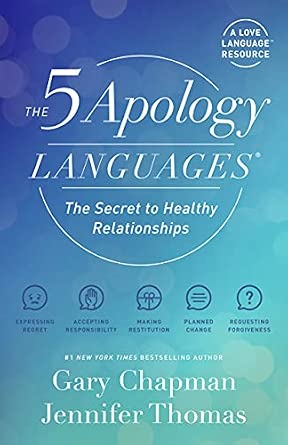 | Best for Repairing Hurt Through Apologies | Format: Book | Subject: Apologies in relationships | Framework: Five apology languages | VIEW LATEST PRICE | See Our Full Breakdown |
| Attached: The New Science of Adult Attachment and How It Can Help You Find—and Keep—Love |  | Best for Understanding Relationship Patterns | Format: Book | Subject: Adult attachment | Focus: Romantic relationships | VIEW LATEST PRICE | See Our Full Breakdown |
| The Seven Principles for Making Marriage Work: A Practical Guide |  | Best for Practical Marriage Guidance | Format: Not specified in supplied product data | Guide type: Practical guide | Stated framework: Seven principles | VIEW LATEST PRICE | See Our Full Breakdown |
| Communicate Your Feelings Without Starting a Fight: What to Say and What Not to Say to Your Partner |  | Best for Choosing Words During Conflict | Format: Not specified in supplied product data | Subject: Communication with a partner | Primary focus: Expressing feelings | VIEW LATEST PRICE | See Our Full Breakdown |
| Love More, Fight Less: Communication Skills Every Couple Needs — A Relationship Workbook for Couples | 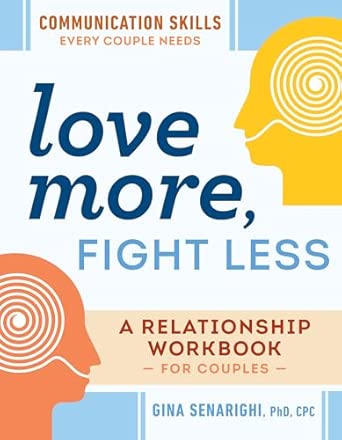 | Best for Couples Who Want Workbook Practice | Product type: Relationship workbook | Audience: Couples | Subject: Communication skills | VIEW LATEST PRICE | See Our Full Breakdown |
| How to Be an Adult in Relationships: The Five Keys to Mindful Loving |  | Best for Mindful Relationship Reflection | Product type: Book | Stated topic: Adult relationships | Stated approach: Mindful loving | VIEW LATEST PRICE | See Our Full Breakdown |
| Communication Skills for Couples |  | Best for Focused Communication Work | Format: Book | Primary focus: Communication skills for couples | Relationship topics: Conflict resolution, intimacy, and relationship health | VIEW LATEST PRICE | See Our Full Breakdown |
| Why Men Love Bitches: From Doormat to Dreamgirl—A Woman’s Guide to Holding Her Own in a Relationship |  | Best for Independence and Boundaries | Format: Book | Primary audience: Women | Primary focus: Independence and self-respect in relationships | VIEW LATEST PRICE | See Our Full Breakdown |
| Too Good to Leave, Too Bad to Stay: A Step-by-Step Guide to Help You Decide Whether to Stay in or Get Out of Your Relationship |  | Best for Relationship Decision-Making | Format: Book | Primary focus: Deciding whether to stay in or leave a relationship | Approach: Step-by-step guide | VIEW LATEST PRICE | See Our Full Breakdown |
| The 5 Love Languages: The Secret to Love That Lasts |  | Best for Understanding Expressions of Affection | Format: Book | Primary focus: The five love languages | Relationship aim: Building lasting relationships | VIEW LATEST PRICE | See Our Full Breakdown |
| relationship advice book | ASIN | Format | Subject | Intended audience |
|---|---|---|---|---|
| Fight Right: How Successful Co | 0593579658 | Book | Conflict in romantic relationships | Couples |
| Eight Dates: Essential Convers | 1523504463 | Book | Essential conversations for romantic relationships | Couples |
| His Needs | 0800740998 | Book | Romantic relationships and marriage | — |
| Getting the Love You Want: A G | 1250310539 | Book | Building and strengthening a relationship | Couples |
| The 5 Apology Languages: The S | 080242869X | Book | Apologies in relationships | People in relationships |
| Attached: The New Science of A | 1585429139 | Book | Adult attachment | — |
| The Seven Principles for Makin | 0553447718 | Not specified in supplied product data | — | — |
| Communicate Your Feelings With | B08M1QXZ5P | Not specified in supplied product data | Communication with a partner | — |
| Love More | 0593196651 | — | Communication skills | — |
| How to Be an Adult in Relation | 1611809541 | — | — | — |
| Communication Skills for Coupl | 1069108952 | Book | — | Couples |
| Why Men Love Bitches: From Doo | 1580627560 | Book | — | — |
| Too Good to Leave | B0037TSEMW | Book | — | Readers weighing a relationship decision |
| The 5 Love Languages: The Secr | 080241270X | Book | — | Readers interested in romantic relationships |
More Details on Our Top Picks
Fight Right: How Successful Couples Turn Conflict Into Connection
Fight Right is the most focused choice here for couples who want to change what happens during disagreements. Rather than covering relationship needs broadly like His Needs, Her Needs, it centers conflict and the possibility of turning it into more constructive connection. That focus makes it a better fit for partners who already recognize recurring arguments as their main problem, not for readers seeking a general relationship framework. Compared with Eight Dates, which is organized around essential conversations, this book puts the emphasis on handling friction rather than setting aside structured topics to discuss. The tradeoff is its narrower scope: couples looking for a guide to many areas of marriage may want a broader companion. Its title and stated subject point to a practical, conflict-centered read, though the supplied product details do not specify exercises or chapter structure.
Pros:- Keeps the guidance centered on conflict, a clear fit for couples whose disagreements are their main concern
- Frames conflict as a possible route to connection rather than only something to avoid
- Offers a distinct focus compared with conversation-led books such as Eight Dates
Cons:- Its conflict-specific scope may leave broader relationship questions outside its focus
- The supplied product information does not establish whether it includes exercises or other structured activities
Best for: Couples who repeatedly get stuck in arguments and want a book centered on turning conflict into connection.
Not ideal for: Readers seeking a broad guide to relationship needs, dating conversations, or deciding whether to stay together; its stated focus is conflict.
- Format:Book
- Subject:Conflict in romantic relationships
- Stated focus:Turning conflict into connection
- Intended audience:Couples
- Relationship context:Romantic relationships
- ASIN:0593579658
Our verdict“Choose Fight Right if recurring conflict is your main relationship challenge and you want a more targeted focus than Eight Dates offers.”
Eight Dates: Essential Conversations for a Lifetime of Love
Eight Dates gives couples a conversation-led way to discuss subjects that support a lasting relationship. That makes it a natural pick for partners who want a shared structure for talking, rather than the conflict-centered focus of Fight Right or the needs-based approach of His Needs, Her Needs. Its defining promise is the set of eight essential conversations, which can help couples approach relationship topics with more intention than an open-ended advice book might. The tradeoff is that readers looking for detailed guidance on a specific recurring issue may find a broad conversation framework less targeted. The supplied description does not list the eight topics or explain how each conversation is organized, so I would not choose it on the assumption that it includes particular exercises. It fits couples ready to talk together, not readers seeking a solo diagnostic guide.
Pros:- Organizes its premise around eight essential conversations
- Designed for couples to engage with relationship topics together
- Offers a conversation-first alternative to Fight Right’s conflict-specific emphasis
- Its lasting-love focus suits partners seeking relationship maintenance, not only crisis support
Cons:- The supplied description does not identify the eight topics or explain the format of each conversation
- A broad conversation structure may not directly address a specific, persistent relationship problem
Best for: Couples who want a shared sequence of relationship conversations to discuss important topics and strengthen their connection.
Not ideal for: Readers who want targeted guidance for recurring arguments or a detailed framework for identifying relationship needs.
- Format:Book
- Number of conversations:Eight
- Subject:Essential conversations for romantic relationships
- Stated aim:Supporting a lasting relationship
- Intended audience:Couples
- ASIN:1523504463
Our verdict“Choose Eight Dates if you and your partner want a shared structure for discussing relationship topics rather than a guide aimed mainly at conflict.”
His Needs, Her Needs: Making Romantic Love Last
His Needs, Her Needs takes a practical, needs-centered approach: couples are guided to identify and meet ten vital needs in marriage. That gives it a different job from Fight Right, which focuses on conflict, and from Eight Dates, which organizes its premise around conversations. This pick makes the most sense for partners who want to examine what each person needs from the relationship and work toward meeting those needs. Its marriage focus also gives it a more specific audience than a general guide to dating or romantic connection. The tradeoff is that the ten-needs framework may not be the best match for readers whose main priority is learning to manage arguments or having a structured series of talks. The supplied details do not name the ten needs, so buyers should not assume they align with any particular checklist.
Pros:- Centers the guidance on identifying and meeting ten vital relationship needs
- Presents itself as a practical guide for couples
- Its marriage focus distinguishes it from the broader conversation-led approach of Eight Dates
Cons:- The needs-based framework may be less relevant to couples seeking direct help with recurring conflict
- The supplied description does not name the ten needs or provide details about the guidance format
Best for: Married couples who want a practical framework for identifying and responding to each partner’s relationship needs.
Not ideal for: Unmarried readers seeking dating guidance, or couples whose main need is conflict-management techniques or conversation prompts.
- Format:Book
- Subject:Romantic relationships and marriage
- Framework:Ten vital relationship needs
- Stated approach:Practical guidance for couples
- Stated aim:Building lasting romantic love
- ASIN:0800740998
Our verdict“Choose His Needs, Her Needs if you are married and want to focus on understanding and meeting relationship needs rather than conflict or conversation structure.”
Getting the Love You Want: A Guide for Couples, Third Edition
Getting the Love You Want is the broadest-described option in this group: it is presented as a guide for couples focused on building and strengthening their relationship, and this listing identifies it as the third edition. That makes it a plausible starting point for partners who want general relationship guidance rather than the clearly defined focus of Fight Right or the ten-needs framework in His Needs, Her Needs. The tradeoff is limited detail in the supplied description. It does not specify particular methods, topics, or activities, so buyers have less information here about what kind of work the book asks couples to do. The third-edition label distinguishes this listing bibliographically, but it does not establish which material changed. I would choose it for its couples-wide scope, not on the assumption that it targets a particular relationship problem.
Pros:- Explicitly intended as a guide for couples
- Addresses building and strengthening a relationship broadly
- Identified as the third edition, which helps distinguish it from other editions
Cons:- The supplied description does not detail its methods, topics, or activities
- Its broad stated focus offers less issue-specific direction than Fight Right or His Needs, Her Needs
Best for: Couples seeking a general relationship guide to building and strengthening their partnership, without a single stated issue as their focus.
Not ideal for: Readers who want a clearly specified method, such as conflict-focused guidance from Fight Right or a defined conversation sequence from Eight Dates.
- Format:Book
- Edition:Third Edition
- Intended audience:Couples
- Subject:Building and strengthening a relationship
- ASIN:1250310539
Our verdict“Choose this third edition if you want broadly framed guidance for strengthening a relationship and do not need a specified conflict or needs-based framework.”
The 5 Apology Languages: The Secret to Healthy Relationships
The 5 Apology Languages focuses on one specific part of relationship repair: how apologies can support healthier relationships. That narrow lens separates it from Fight Right, which addresses conflict more broadly, and Getting the Love You Want, which is presented as a general guide for couples. This pick is most relevant when partners recognize that hurt and apologies are recurring parts of their disagreements and want to explore different ways of expressing remorse. Its focused subject can make it easier to match to a particular need, but it is not a substitute for guidance across every area of a relationship. The supplied description does not name the five apology languages or explain how the book presents them, so readers should not expect a specific exercise format based on the available details alone.
Pros:- Concentrates on apologies, a clear and specific relationship-repair topic
- Presents five apology languages as its organizing idea
- Offers a narrower complement to Fight Right’s broader focus on conflict
Cons:- Its apology-centered scope does not cover the full range of relationship challenges
- The supplied description does not identify the five languages or explain the book’s format
Best for: Couples who want to discuss how they apologize and respond to hurt after relationship disagreements.
Not ideal for: Readers seeking broad relationship guidance or a book focused on the full course of managing conflict rather than apologies specifically.
- Format:Book
- Subject:Apologies in relationships
- Framework:Five apology languages
- Stated aim:Supporting healthier relationships
- Intended audience:People in relationships
- ASIN:080242869X
Our verdict“Choose The 5 Apology Languages if apologizing and responding to hurt are the specific skills you and your partner want to discuss.”
Attached: The New Science of Adult Attachment and How It Can Help You Find—and Keep—Love
Attached is the clearest fit here for readers who want to understand how attachment patterns can shape romantic relationships. Its focus is broader than a script-based communication guide: rather than centering on what to say in one tense conversation, it connects recurring relationship patterns with finding and maintaining a fulfilling partnership. That makes it a useful starting point for people trying to make sense of repeated dynamics. Compared with How to Be an Adult in Relationships, which signals a mindful-living approach, this title puts adult attachment at the center. The tradeoff is that readers looking for a couple’s workbook or a step-by-step conflict routine may find its focus less directly hands-on. The available description also does not specify exercises or chapter structure, so buyers should not expect a particular format of practice.
Pros:- Centers adult attachment in romantic relationships
- Connects relationship patterns with finding and maintaining fulfilling partnerships
- Offers a distinct explanatory focus compared with communication-script and workbook approaches
Cons:- The supplied description does not establish how much practical exercise or step-by-step guidance it includes
- Its attachment-centered lens may not meet readers seeking a broad survey of relationship issues
Best for: Readers who notice recurring patterns in dating or romantic relationships and want an attachment-focused framework for understanding them
Not ideal for: Couples seeking guided activities to complete together or specific phrases for de-escalating arguments
- Format:Book
- Subject:Adult attachment
- Focus:Romantic relationships
- Relationship topics:Finding and maintaining relationships
- Approach:Explores how attachment patterns may influence relationships
- ASIN:1585429139
Our verdict“Choose this book if understanding recurring attachment patterns matters more to you than getting conversation scripts or couple exercises.”
The Seven Principles for Making Marriage Work: A Practical Guide
The Seven Principles for Making Marriage Work is the strongest match in this group for readers who want advice framed specifically around strengthening a marriage. Its practical-guide positioning sets it apart from Attached, which focuses on attachment patterns, and from Love More, Fight Less, which is identified as a communication workbook for couples. Here, the stated aim is applying seven principles, giving marriage-minded readers a clear organizing framework rather than a narrowly focused guide to one conversation skill. The limitation is that the available product information does not describe the principles, exercises, or intended stage of marriage, so I can’t say how much hands-on practice it offers. Readers who want a workbook format or advice for dating relationships may prefer a more specifically described option in this lineup.
Pros:- Targets marriage rather than relationships in general
- Organizes its guidance around seven principles
- Presented as a practical guide intended to help strengthen a marriage
Cons:- Available product details do not explain the principles or how readers apply them
- The supplied information does not confirm whether it includes exercises or guided activities
- Its marriage-specific focus may be less relevant to dating or newer partnerships
Best for: Married readers seeking a practical framework aimed at strengthening their relationship
Not ideal for: Unmarried readers or couples who specifically want workbook exercises and clearly described communication practice
- Format:Not specified in supplied product data
- Guide type:Practical guide
- Stated framework:Seven principles
- Primary audience:Married couples
- Stated aim:Strengthen a marriage
- ASIN:0553447718
Our verdict“Pick this when you want a marriage-focused framework, but choose a workbook if you need confirmed couple exercises.”
Communicate Your Feelings Without Starting a Fight: What to Say and What Not to Say to Your Partner
Communicate Your Feelings Without Starting a Fight is the most targeted choice for readers who know what they feel but struggle to bring it up without sparking an argument. Its emphasis on what to say and what not to say makes the goal more immediate than the pattern-focused approach in Attached or the marriage-wide framework of The Seven Principles for Making Marriage Work. That narrow focus can be an advantage when a specific conversation feels difficult: the book is pitched around wording, not a broad theory of relationships. The tradeoff is that avoiding a fight is not the same as resolving the issue, and the supplied description does not say how the guidance handles deeper or recurring conflict. Readers wanting practice as a couple may find Love More, Fight Less a better fit if they want a workbook format.
Pros:- Focuses directly on communicating feelings to a partner
- Frames advice around both helpful and unhelpful wording
- Addresses the specific concern of conversations escalating into fights
Cons:- Its focus on wording may not address the causes of recurring conflict
- The supplied description does not specify exercises or a couple-based practice format
- A narrow communication focus may be less useful to readers seeking broad relationship guidance
Best for: People who want help raising sensitive issues with a partner and are looking for guidance centered on wording
Not ideal for: Couples seeking a broad relationship framework, structured workbook activities, or guidance specifically described for persistent conflict
- Format:Not specified in supplied product data
- Subject:Communication with a partner
- Primary focus:Expressing feelings
- Stated goal:Reduce the chance of starting a fight
- Guidance style:What to say and what not to say
- ASIN:B08M1QXZ5P
Our verdict“Choose this for help with phrasing sensitive conversations, not as a substitute for broader relationship work.”
Love More, Fight Less: Communication Skills Every Couple Needs — A Relationship Workbook for Couples
Love More, Fight Less is the clearest pick for couples who would rather work on communication together than read relationship advice separately. Its stated workbook format distinguishes it from Communicate Your Feelings Without Starting a Fight, which focuses on wording, and Attached, which offers an attachment-centered lens. The promise of communication skills for couples makes this a natural choice for shared practice, though the supplied information does not identify any particular exercises, layout, or topics. That uncertainty matters: the workbook label signals an interactive approach, but it does not tell buyers how much structure or guidance the book provides. Readers who prefer explanatory relationship theory may find How to Be an Adult in Relationships more aligned with reflective reading, while this option is best judged by its couple-focused practice format.
Pros:- Explicitly identified as a relationship workbook for couples
- Focuses on communication skills intended for couple use
- Offers a more practice-oriented role than the attachment-focused books in this lineup
Cons:- The supplied product data does not describe its exercises or workbook structure
- The available information does not establish which communication problems it addresses
- Couples seeking individual guidance rather than shared activities may prefer another approach
Best for: Couples who want a shared workbook centered on communication skills
Not ideal for: Readers seeking a clearly described theory-led guide or people who want specific exercises confirmed before choosing
- Product type:Relationship workbook
- Audience:Couples
- Subject:Communication skills
- Stated aim:Help couples love more and fight less
- Exercise details:Not specified in supplied product data
- ASIN:0593196651
Our verdict“Choose this if a couple-oriented workbook is your priority, while recognizing that the supplied details don’t specify its activities.”
How to Be an Adult in Relationships: The Five Keys to Mindful Loving
How to Be an Adult in Relationships stands apart as the reflective, mindfulness-oriented choice in this batch. The title points to a focus on adult relationships and mindful loving, while Attached is more specifically described as exploring attachment patterns and Love More, Fight Less is positioned as a couples’ communication workbook. That makes this book a plausible fit for readers interested in how they approach love, rather than those looking primarily for a conflict script or shared exercise. Still, the product information supplied here offers only the title and book type; it does not describe the five keys, the book’s methods, or how directly it addresses romantic partnerships. I’d choose it for its stated reflective emphasis, not on the assumption that it provides a particular set of exercises or a proven step-by-step plan.
Pros:- Signals a distinct mindful-loving focus
- Addresses adult relationships rather than a single communication scenario
- Its reflective positioning contrasts with the couple-exercise emphasis of Love More, Fight Less
Cons:- The supplied description does not explain the five keys
- Specific methods, exercises, and relationship topics are not detailed in the provided data
- Readers seeking immediately actionable conversation guidance may prefer a more narrowly focused book
Best for: Readers who want a book framed around mindfulness and adult approaches to loving relationships
Not ideal for: Couples seeking a clearly described workbook, communication scripts, or details about specific methods before buying
- Product type:Book
- Stated topic:Adult relationships
- Stated approach:Mindful loving
- Framework named in title:Five keys
- Detailed contents:Not specified in supplied product data
- ASIN:1611809541
Our verdict“Choose this for a mindfulness-oriented perspective on adult relationships, rather than for confirmed scripts or workbook activities.”
Communication Skills for Couples
Communication Skills for Couples is the most direct fit here for partners whose recurring arguments or misunderstandings are getting in the way of closeness. Its stated focus on communication, conflict resolution, intimacy, and relationship health gives it a broader relationship aim than a book devoted only to deciding whether to stay or leave, such as Too Good to Leave, Too Bad to Stay. It also sits alongside Fight Right, though the latter’s title signals a more specific emphasis on turning conflict into connection. The tradeoff is limited detail in the available description: readers cannot tell how much of this guide is practical exercises, examples, or general advice. I’d choose it for a couple seeking a communication-centered starting point, but not if they need a clearly documented workbook format or a decision framework.
Pros:- Directly addresses communication and conflict resolution.
- Connects better communication with intimacy and relationship health.
- A relevant option for couples looking for relationship advice specifically aimed at working together.
Cons:- The available description does not specify exercises, chapter structure, or a particular communication method.
- Its broad focus may offer less targeted guidance than a book centered specifically on conflict, such as Fight Right.
Best for: Couples who want to work on recurring communication problems, conflict, and intimacy together.
Not ideal for: Readers seeking a detailed workbook format, a step-by-step stay-or-leave framework, or a clearly described method beyond the book’s broad focus.
- Format:Book
- Primary focus:Communication skills for couples
- Relationship topics:Conflict resolution, intimacy, and relationship health
- Intended audience:Couples
- Marriage focus:Strengthening marriage
- ASIN:1069108952
Our verdict“Choose this guide if you and your partner want a broad, communication-centered approach to conflict and intimacy.”
Why Men Love Bitches: From Doormat to Dreamgirl—A Woman’s Guide to Holding Her Own in a Relationship
Why Men Love Bitches takes a different route from couple-focused titles such as Communication Skills for Couples: its stated emphasis is helping women maintain independence and self-respect, rather than giving partners a shared conflict-resolution plan. That makes it a distinct pick for readers who recognize people-pleasing or weak boundaries in their own dating patterns and want advice centered on holding their ground. Compared with Attached, which is framed around attachment and finding or keeping love, this book’s description points more directly to personal boundaries and independence. The tradeoff is its explicitly gendered framing and focus on women; it may not feel applicable to every reader or relationship. I’d skip it if you want a balanced guide written for both partners or a specific communication method.
Pros:- Centers personal independence rather than treating partnership as the only priority.
- Addresses self-respect and maintaining boundaries.
- Speaks directly to readers who want to change people-pleasing behavior.
Cons:- Its stated audience and framing are specifically women-focused.
- The description does not indicate a couple-based process or structured communication exercises.
- Readers seeking advice on a particular relationship decision may prefer Too Good to Leave, Too Bad to Stay.
Best for: Women who tend to people-please in relationships and want advice focused on self-respect, independence, and boundaries.
Not ideal for: Couples seeking a shared guide, readers who prefer gender-neutral relationship advice, or anyone looking primarily for conflict-resolution exercises.
- Format:Book
- Primary audience:Women
- Primary focus:Independence and self-respect in relationships
- Key topic:Personal boundaries
- Behavior addressed:People-pleasing
- ASIN:1580627560
Our verdict“Pick this if you want women-focused advice on keeping your independence and boundaries in a relationship.”
Too Good to Leave, Too Bad to Stay: A Step-by-Step Guide to Help You Decide Whether to Stay in or Get Out of Your Relationship
Too Good to Leave, Too Bad to Stay is the clearest choice in this group for readers who are stuck between staying and ending a relationship. Its step-by-step decision focus gives it a different job from The 5 Love Languages, which centers on how partners express and receive love, or Communication Skills for Couples, which focuses on improving the relationship through communication and conflict work. Rather than assuming that better habits are the answer, this book is aimed at helping readers examine the stay-or-leave question. That narrow purpose is also its main limitation: it is less suited to couples who have already decided to stay and want ongoing skills practice. The available product details do not describe its specific steps or tools, so readers wanting a known worksheet format may need more information before choosing it.
Pros:- Addresses a specific and difficult relationship decision directly.
- Its step-by-step framing offers a more focused purpose than broad relationship advice.
- Can help readers distinguish decision-making needs from relationship-improvement goals.
Cons:- Its central focus may not help couples who have already chosen to work on the relationship.
- The available description does not explain the steps, exercises, or decision criteria.
- It is narrower in scope than books about communication or expressions of affection.
Best for: Readers facing a difficult stay-or-leave decision who want a step-by-step guide rather than general relationship advice.
Not ideal for: Couples committed to staying together who want communication exercises, intimacy guidance, or a book about expressing affection.
- Format:Book
- Primary focus:Deciding whether to stay in or leave a relationship
- Approach:Step-by-step guide
- Intended audience:Readers weighing a relationship decision
- Product details provided:No additional details provided
- ASIN:B0037TSEMW
Our verdict“Choose this when your main question is whether to stay in or leave the relationship, not how to improve day-to-day communication.”
The 5 Love Languages: The Secret to Love That Lasts
The 5 Love Languages is the most affection-focused pick in this set: its subject is how love languages can contribute to lasting relationships. That gives it a different role from Communication Skills for Couples, which is described around communication and conflict, and from Too Good to Leave, Too Bad to Stay, which helps readers weigh a relationship decision. I’d point couples toward this book when the gap is about how each partner shows or receives love, not when their main problem is unresolved conflict or uncertainty about staying. The available details do not identify the book’s specific exercises or explain how it handles differences between partners, so buyers should not assume it offers a detailed communication program. Its subject is focused, which makes the choice clearer but also limits its reach as a complete relationship guide.
Pros:- Focuses specifically on expressions of love and their role in lasting relationships.
- Offers a distinct topic from books centered on conflict resolution or relationship decisions.
- A straightforward match for couples who want to discuss how they give and receive affection.
Cons:- The available description does not specify exercises or practical tools.
- Its focus on love languages does not, by itself, cover the full range of relationship challenges.
- Less directly suited to readers whose main concern is conflict, boundaries, or deciding whether to stay.
Best for: Couples who want to explore how they express and receive affection as part of building a lasting relationship.
Not ideal for: Readers primarily seeking conflict-resolution strategies, a stay-or-leave decision framework, or a detailed program for improving communication.
- Format:Book
- Primary focus:The five love languages
- Relationship aim:Building lasting relationships
- Intended audience:Readers interested in romantic relationships
- Product details provided:No additional details provided
- ASIN:080241270X
Our verdict“Choose this if you and your partner want to focus on how each of you expresses and receives love.”

How We Picked
I ranked these relationship advice books by how clearly they match a real reader need, how actionable their guidance is, and whether their format suits couples, individuals, or both. I also weighed scope: a focused guide can be more useful for a specific recurring problem, while a broader book may serve readers who want a wider relationship framework. Usability mattered too, including whether a book offers structured conversations, exercises, or a practical path through difficult decisions.
The ranking favors books with a clear purpose and guidance readers can connect to everyday relationship challenges. That puts Fight Right first for its defined conflict-and-connection focus, with Eight Dates close behind for couples seeking a conversation framework. Other books rank according to their specific audience and tradeoffs: broad marriage guides may cover more ground, while single-topic frameworks offer a simpler entry point but less range. This list is not a substitute for professional support when a relationship involves abuse, coercion, or serious safety concerns.
| relationship advice book | Format | Intended audience |
|---|---|---|
| Fight Right: How Successful Co | Book | Couples |
| Eight Dates: Essential Convers | Book | Couples |
| His Needs | Book | — |
| Getting the Love You Want: A G | Book | Couples |
| The 5 Apology Languages: The S | Book | People in relationships |
| Attached: The New Science of A | Book | — |
| The Seven Principles for Makin | Not specified in supplied product data | — |
| Communicate Your Feelings With | Not specified in supplied product data | — |
| Love More | — | — |
| How to Be an Adult in Relation | — | — |
| Communication Skills for Coupl | Book | Couples |
| Why Men Love Bitches: From Doo | Book | — |
| Too Good to Leave | Book | Readers weighing a relationship decision |
| The 5 Love Languages: The Secr | Book | Readers interested in romantic relationships |
Factors to Consider When Choosing Relationship Advice Books
Before choosing a relationship book, match its format and point of view to the situation you want to change. The most useful book is not necessarily the one with the broadest promise; it is the one you can read, discuss, and apply without expecting it to solve a problem it was not written for.
Choose a Book for Your Actual Challenge
Start by naming the recurring issue in plain language: arguments that escalate, conversations you avoid, differences in expectations, or uncertainty about the relationship. A book centered on conflict may offer more relevant tools than a broad guide to lasting love if disagreements are the main source of strain. Conversely, a single communication technique may feel too narrow when the issue involves several patterns at once. Readers often choose a famous framework because it sounds familiar, then discover it does not address their main concern. Use the book’s stated focus as a filter, not a promise that every relationship problem will fit its approach. If several concerns overlap, begin with the one that most affects daily life.
Decide Whether You’ll Read Alone or Together
Some books are designed around shared conversations or exercises, while others make sense as individual reading. If your partner is willing to participate, a guided format can turn reading into a joint activity rather than a set of ideas that stays on the page. If you are choosing independently, look for guidance that helps you reflect without requiring a second reader to complete the method. A common mistake is buying a couple’s workbook when one partner has no interest in doing exercises; that can create frustration before the book has a chance to help. Talk about the time and effort each person can commit before selecting a structured program. A lighter discussion book may be a better starting point when readiness is uneven.
Match Structure to How You Learn
Readers who want a clear next step may benefit from prompts, exercises, or a sequence of conversations. Others prefer to read a framework first and decide for themselves how to apply it. Structured books can make it easier to begin, but they may feel restrictive if your circumstances do not fit the examples or exercises. Less prescriptive books allow room for reflection, though they can leave readers unsure what to do next. Think about whether you are more likely to follow a plan or use ideas selectively. Choosing a format you will actually engage with matters more than choosing the most elaborate one.
Treat Frameworks as Starting Points, Not Labels
Books built around attachment patterns, apology styles, or ways of expressing affection can help people talk about differences in a shared vocabulary. Their simplicity is also a limit: a label should not become a complete explanation for someone’s behavior or a verdict on a relationship. Check whether you want a concise lens for discussion or a wider treatment of communication and relationship habits. A common misstep is using a framework to categorize a partner instead of asking what each person needs and can change. These concepts work best when they prompt curiosity and practical conversation. If you need more than a quick lens, choose a book with broader guidance or exercises.
Know When a Book Is Not Enough
Relationship books can support reflection and skill-building, but they cannot provide an individualized assessment of a couple’s circumstances. If you are facing entrenched distress, repeated attempts that have not helped, or a difficult decision with serious consequences, professional support may offer a more tailored path. In situations involving threats, control, or abuse, prioritize safety and seek qualified help rather than relying on a couples exercise. Do not treat a book’s advice to communicate better as proof that both partners share responsibility for harmful behavior. A book can still help you organize questions or describe patterns to a professional. Choosing support appropriate to the problem is more useful than expecting one title to cover every need.
Consider Scope and Reading Commitment
A broad relationship guide may provide context across many parts of a partnership, but it can take longer to read and apply. A focused book is easier to approach when you want help with one immediate concern, though it may not address related patterns. Before choosing, ask whether you want a reference to return to or a short, specific process to work through. Readers can lose momentum when they select a lengthy guide without setting aside time for discussion or reflection. You do not need to finish every chapter before trying one useful idea, but choosing a book with a manageable format can help maintain follow-through. Let the time you can realistically give the book shape your choice.
Frequently Asked Questions
Should I choose a relationship advice book for couples or one I can read alone?
Choose based on who is ready to take part, not just who is most affected by the problem. A couples-focused book can be useful when both partners are willing to read, talk, or complete exercises together. An individual-focused title may be more practical when you want to reflect privately or your partner is not ready to join in. Avoid treating a book’s advice as a way to diagnose or manage the other person without their participation. If you later decide to work together, you can add a shared discussion guide or seek professional support.
Which kind of relationship book is best if we keep having the same argument?
Look for a book that specifically addresses conflict patterns and what partners can do during and after disagreements. A general guide to love or marriage may offer useful context, but it may not spend enough time on the moment arguments escalate. Consider whether you want explanation, guided discussion, or exercises you can practice together. If both partners are willing to participate, a structured approach can give you a shared way to start. If arguments include threats, intimidation, or fear, prioritize safety and qualified support rather than trying to resolve the situation through a book.
Are relationship books built around love languages or attachment styles enough on their own?
They can be useful starting points for discussing preferences and patterns, but their scope is limited. A shared vocabulary may help partners describe what feels supportive or how they respond to closeness, yet it does not replace communication skills or address every source of conflict. Avoid using a framework as a fixed label that excuses behavior or predicts what a partner can change. If your concern extends beyond the framework’s topic, choose a broader guide or a book with practical exercises. Use these concepts to open a conversation rather than end it.
What should I pick if my partner does not want to read a book with me?
Start with a title you can use for your own reflection rather than one that depends on joint exercises. Take notes on patterns and questions you want to raise, but avoid treating the book as a script for persuading your partner. You can invite a small conversation about one idea instead of asking them to commit to an entire book. If the issue is serious or repeated conversations go nowhere, a qualified counselor may help you decide what support fits. A book can inform your choices, but it cannot make another person participate.
Can a relationship advice book help me decide whether to stay or leave?
A decision-focused guide can help you organize your thoughts and examine what is keeping you in the relationship, but it cannot make the decision for you. Consider whether you need a structured way to reflect on your situation or help with a specific communication problem. Take time with the questions rather than treating a single answer as a verdict, especially when practical matters or personal safety are involved. If you feel threatened or controlled, prioritize a safety plan and specialized support. For complex decisions, a therapist or other qualified professional can offer individual guidance a general book cannot.
Conclusion
For a clear all-around starting point, I recommend Fight Right as best overall, especially for couples caught in recurring conflict. Eight Dates is my best value in terms of practical scope: its guided conversations give couples a direct way to discuss important topics, while The Seven Principles for Making Marriage Work is the best premium-style choice for readers who want a broader marriage guide. For beginners, The 5 Love Languages offers an approachable shared vocabulary, though it is not a full communication program. Choose Attached for reflection on adult attachment, Too Good to Leave, Too Bad to Stay for a stay-or-leave decision, or Love More, Fight Less if you want a workbook approach. The right pick is the one that fits your current question and the amount of shared effort you can realistically give it.