
The best relationship advice books for couples give both partners a clear way to talk, practice, and make progress together. Fight Right is my best overall pick for couples who want to turn conflict into more productive conversations, while The Seven Principles for Making Marriage Work stands out for structured, practical relationship habits and The Hold Me Tight Workbook suits partners who prefer guided activities. The main tradeoff is between broad advice and a focused workbook, as well as between light, conversation-led exercises and therapy-informed work that asks for more time and openness. A book can support change, but it may not be enough when a relationship involves serious harm or ongoing safety concerns. Read on for the full breakdown and help matching a book to what you and your partner want to work on.

Get gifts for the two of you delivered free with Prime
- Fast, free delivery on millions of items
- Prime Video, Amazon Music and more included
- Member-only deals all year
Key Takeaways
- Fight Right earns the best-overall position by centering conflict as a shared skill to build, while the broader Seven Principles approach is a stronger fit for couples seeking habits across more parts of marriage.
- Workbook format matters as much as subject: The Hold Me Tight Workbook, the eight-week EFT workbook, and The Two-Pen Relationship Workbook call for active participation rather than reading alone.
- Trust repair has its own lane. Rebuilding Trust and What Can I Do? are more targeted choices than general communication or relationship-maintenance guides.
- Question-led books such as The Couple’s Quiz Book and 201 Relationship Questions lower the barrier to talking, but offer less structured guidance for persistent problems.
- Love More, Fight Less and Couple Skills speak to practical communication needs, while attachment- and therapy-oriented options may suit couples ready for more reflective work.
| Love More, Fight Less: Communication Skills Every Couple Needs | 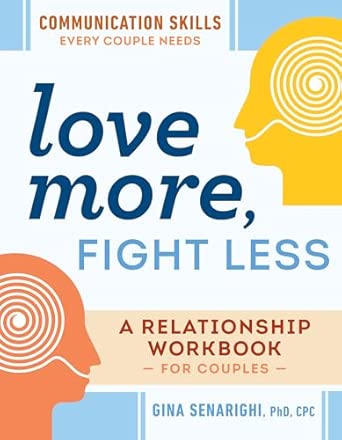 | Best for Communication Basics | Format: Workbook | Topic: Communication skills for couples | Intended audience: Couples | VIEW LATEST PRICE | See Our Full Breakdown |
| Fight Right: How Successful Couples Turn Conflict Into Connection |  | Best for Working Through Conflict | Format: Book | Topic: Conflict and connection in couples | Intended audience: Couples | VIEW LATEST PRICE | See Our Full Breakdown |
| Secure Love: Create a Relationship That Lasts a Lifetime |  | Best for Long-Term Relationship Building | Format: Book | Topic: Building a lasting relationship | Intended audience: Couples | VIEW LATEST PRICE | See Our Full Breakdown |
| His Needs, Her Needs: Making Romantic Love Last |  | Best for Practical Marriage Guidance | Format: Book | Topic: Meeting needs in marriage | Framework: Ten vital needs | VIEW LATEST PRICE | See Our Full Breakdown |
| The Hold Me Tight Workbook: A Couple’s Guide for a Lifetime of Love |  | Best for Guided Couple Practice | Format: Workbook | Approach: Dr. Sue Johnson’s Hold Me Tight approach | Intended audience: Couples | VIEW LATEST PRICE | See Our Full Breakdown |
| Getting the Love You Want: A Guide for Couples, Third Edition |  | Best for Couples Seeking a Relationship Framework | Title: Getting the Love You Want: A Guide for Couples | Edition: Third Edition | Intended audience: Couples | VIEW LATEST PRICE | See Our Full Breakdown |
| 8-Week Couples Relationship Therapy Workbook: Emotionally Focused Therapy for Stronger Connections |  | Best Structured Workbook | Format: Workbook | Program length: 8 weeks | Approach: Emotionally Focused Therapy (EFT) | VIEW LATEST PRICE | See Our Full Breakdown |
| The Couple’s Quiz Book: 350 Fun Questions to Energize Your Relationship |  | Best for Easy Conversation Starters | Format: Book | Question count: 350 | Intended users: Couples | VIEW LATEST PRICE | See Our Full Breakdown |
| The Seven Principles for Making Marriage Work: A Practical Guide from the Country’s Foremost Relationship Expert |  | Best for a Principle-Based Marriage Guide | Title: The Seven Principles for Making Marriage Work | Subtitle: A Practical Guide from the Country’s Foremost Relationship Expert | Framework: Seven principles | VIEW LATEST PRICE | See Our Full Breakdown |
| Rebuilding Trust: Guided Therapy Techniques and Activities to Restore Love, Trust, and Intimacy in Your Relationship |  | Best for Couples Focused on Trust Repair | Product type: Relationship guide | Focus: Rebuilding trust | Additional focus: Love and intimacy | VIEW LATEST PRICE | See Our Full Breakdown |
| Couple Skills: Making Your Relationship Work |  | Best for Building Everyday Relationship Skills | Format: Book | Subject: Relationship skills | Stated focus: Building a healthy relationship | VIEW LATEST PRICE | See Our Full Breakdown |
| The Two-Pen Relationship Workbook for Couples | 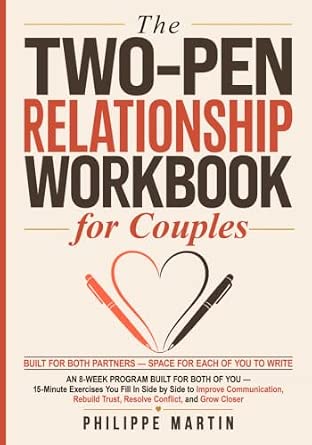 | Best for a Structured Couples Routine | Format: Couples workbook | Program length: 8 weeks | Exercise duration: 15 minutes | VIEW LATEST PRICE | See Our Full Breakdown |
| What Can I Do?: Relationship Repair Guide |  | Best for Readers Seeking a Repair-Focused Starting Point | Format: Guide | Subject: Relationship repair | Stated focus: Repairing a relationship | VIEW LATEST PRICE | See Our Full Breakdown |
| The Magnetic Couples Playbook: A Relationship Workbook for Better Communication |  | Best for Communication-Focused Workbook Guidance | Format: Relationship workbook | Intended readers: Couples | Stated focus: Better communication | VIEW LATEST PRICE | See Our Full Breakdown |
| 201 Relationship Questions: The Couple’s Guide to Building Trust and Emotional Intimacy |  | Best for Conversation Prompts and Emotional Intimacy | Format: Book | Question count: 201 | Stated focus: Building trust | VIEW LATEST PRICE | See Our Full Breakdown |
| relationship advice books for couple | Format |
|---|---|
| Love More | Workbook |
| Fight Right: How Successful Co | Book |
| Secure Love: Create a Relation | Book |
| His Needs | Book |
| The Hold Me Tight Workbook: A | Workbook |
| Getting the Love You Want: A G | Not specified |
| 8-Week Couples Relationship Th | Workbook |
| The Couple’s Quiz Book: 350 Fu | Book |
| The Seven Principles for Makin | Not specified |
| Rebuilding Trust: Guided Thera | — |
| Couple Skills: Making Your Rel | Book |
| The Two-Pen Relationship Workb | Couples workbook |
| What Can I Do?: Relationship R | Guide |
| The Magnetic Couples Playbook: | Relationship workbook |
| 201 Relationship Questions: Th | Book |
More Details on Our Top Picks
Love More, Fight Less: Communication Skills Every Couple Needs
Love More, Fight Less is the clearest fit for couples who want to work on how they talk to each other, rather than start with a broad theory of lasting love. Its workbook framing suggests a practical, skills-focused approach, which gives it a different emphasis from Fight Right, centered on turning conflict into connection, and Secure Love, whose focus is building a lasting relationship. That narrower communication focus may help partners choose a concrete area to practice together. The tradeoff is that the available description does not specify its exercises, structure, or methods, so I can’t judge how guided or in-depth the workbook is. Couples seeking a specifically marriage-focused guide might prefer His Needs, Her Needs.
Pros:- Centers communication skills for couples
- Workbook format points toward active practice rather than advice alone
- Focused scope makes it easier to choose when communication is the main concern
Cons:- Available product information does not describe the exercises or workbook structure
- The focus may be too narrow for couples seeking a broad relationship guide
- No details are provided about its approach to recurring or high-conflict issues
Best for: Couples who want a communication-centered workbook and are ready to practice talking skills together.
Not ideal for: Partners looking for detailed, confirmed exercises or a book focused specifically on marriage needs, since the available product information does not describe its methods.
- Format:Workbook
- Topic:Communication skills for couples
- Intended audience:Couples
- ASIN:0593196651
- Exercises:Not specified
- Length:Not specified
Our verdict“Choose this workbook if communication practice is your main goal; pick His Needs, Her Needs for a marriage-needs focus.”
Fight Right: How Successful Couples Turn Conflict Into Connection
Fight Right is the most directly conflict-centered choice in this group: its premise is that couples can turn disagreements into connection. That makes it a more targeted pick than Love More, Fight Less, which is described as a communication-skills workbook, and a better match for partners whose main concern is how arguments unfold. The title also frames conflict as something to work with, not simply eliminate. The tradeoff is that the available description gives no detail about exercises, methods, or how the advice is organized, so buyers cannot tell how hands-on it will be. Couples who want a workbook with an explicitly identified approach may find The Hold Me Tight Workbook a clearer fit, though its supplied description is also limited.
Pros:- Makes conflict the central topic
- Frames disagreements as a possible route to connection
- Provides a distinct focus compared with broader relationship guides
Cons:- Available product information does not identify its exercises or practical tools
- No details are provided about the method or intended level of conflict
- Its focused subject may not address other relationship concerns
Best for: Couples who want advice specifically about turning disagreements into more constructive connection.
Not ideal for: Readers seeking a clearly described workbook, a specified therapeutic method, or advice focused on relationship topics beyond conflict.
- Format:Book
- Topic:Conflict and connection in couples
- Intended audience:Couples
- ASIN:0593579658
- Approach:Not specified
- Length:Not specified
Our verdict“Pick Fight Right when recurring disagreements are your central concern, rather than general communication practice.”
Secure Love: Create a Relationship That Lasts a Lifetime
Secure Love is the broadest long-range choice among these five: its stated aim is helping readers build a relationship that lasts. That makes it a natural option for couples thinking beyond a single communication habit or recurring argument. By comparison, Fight Right concentrates on conflict, while His Needs, Her Needs offers a more specific marriage-needs framework. The wider promise may suit partners who want to strengthen the relationship as a whole, but the supplied description does not explain how the book approaches that goal or what readers will do as they work through it. I would not choose it over a more focused guide if a couple already knows its main challenge and wants targeted exercises.
Pros:- Directly addresses building a lasting relationship
- Broad focus may suit couples working on the relationship as a whole
- Offers a different emphasis from the conflict-focused Fight Right
Cons:- Available description does not explain the book’s approach
- No exercises or practical tools are specified
- Its broad aim may feel less targeted than a communication or conflict guide
Best for: Couples seeking a broad guide to strengthening a relationship for the long term, without a stated single-problem focus.
Not ideal for: Partners who want a clearly described method, structured workbook exercises, or a focused guide to conflict or marriage needs.
- Format:Book
- Topic:Building a lasting relationship
- Intended audience:Couples
- ASIN:B0C94WMTPS
- Approach:Not specified
- Length:Not specified
Our verdict“Choose Secure Love for a broad long-term relationship focus; select Fight Right if conflict is the specific issue you want to address.”
His Needs, Her Needs: Making Romantic Love Last
His Needs, Her Needs stands apart by focusing on identifying and meeting ten needs in marriage, giving couples a concrete framework for thinking about what sustains romantic love. Compared with Secure Love, which has a wider long-term relationship aim, this guide points readers toward a defined subject: needs within marriage. That specificity can make it a better match for spouses who want to discuss what each partner needs, rather than focus mainly on communication skills as in Love More, Fight Less. The tradeoff is that the supplied information does not name the ten needs or describe the guidance in detail, so readers cannot tell how the framework is presented. Unmarried couples may also prefer a guide framed for couples more broadly.
Pros:- Focuses on practical relationship guidance
- Addresses needs within marriage
- Connects meeting needs with sustaining romantic love
Cons:- The available description does not list or explain the ten needs
- The marriage-centered framing may be less suitable for dating or unmarried couples
- No details are provided about exercises or the book’s format
Best for: Married couples who want a practical discussion framework for identifying and meeting relationship needs.
Not ideal for: Unmarried partners or readers seeking a clearly described communication workbook or a guide focused on conflict resolution.
- Format:Book
- Topic:Meeting needs in marriage
- Framework:Ten vital needs
- Intended audience:Married couples
- Goal:Building lasting romantic love
- ASIN:0800740998
Our verdict“Choose this guide if you are married and want to discuss relationship needs; look to Love More, Fight Less for a communication-skills focus.”
The Hold Me Tight Workbook: A Couple’s Guide for a Lifetime of Love
The Hold Me Tight Workbook is the strongest fit here for couples who want a workbook tied to a named relationship approach: the supplied description connects it to Dr. Sue Johnson’s Hold Me Tight approach. That gives it a more explicit framework than Love More, Fight Less, whose description identifies communication skills but no method. As a workbook, it also suggests a more active format than the general book description for Secure Love. The tradeoff is that no details are provided about its activities, sequence, or how much guidance it offers, so the format alone cannot tell buyers how structured the work will feel. Couples seeking a direct discussion of marriage needs may find His Needs, Her Needs more specifically targeted.
Pros:- Workbook format encourages couples to work actively together
- Identifies Dr. Sue Johnson’s Hold Me Tight approach
- Aims at sustaining love over the long term
Cons:- Available product information does not describe the workbook activities
- The structure and amount of guidance are not specified
- Couples wanting a narrowly focused communication or marriage-needs guide may prefer another option
Best for: Couples who want to work together through a workbook connected to Dr. Sue Johnson’s Hold Me Tight approach.
Not ideal for: Readers who need a detailed preview of activities or want a guide specifically centered on marriage needs or conflict alone.
- Format:Workbook
- Approach:Dr. Sue Johnson’s Hold Me Tight approach
- Intended audience:Couples
- Topic:Building a lasting relationship
- ASIN:031644023X
- Exercises:Not specified
Our verdict“Pick this workbook if a named relationship approach and shared practice matter more to you than a narrowly defined topic.”
Getting the Love You Want: A Guide for Couples, Third Edition
Getting the Love You Want is the strongest fit here for couples who want a broad guide to understanding their relationship, rather than a short set of prompts or a narrowly focused repair plan. Its third-edition title signals an established guide, but the supplied product information does not describe its methods, exercises, or chapter structure, so I would not choose it based on a particular technique. Compared with the clearly time-bounded 8-Week Couples Relationship Therapy Workbook, this title gives less information about how partners will work through the material. Its potential advantage is the promise of a guide for couples, while the tradeoff is uncertainty about how practical or structured it feels. I would rank it above conversation-only options when the goal is sustained relationship learning, but buyers wanting confirmed activities should look elsewhere.
Pros:- Explicitly presented as a guide for couples
- Third edition may appeal to readers seeking an established title
- Broad framing suits couples exploring relationship guidance beyond a single issue
Cons:- Provided product data does not explain its approach or specific guidance
- No details confirm whether it includes exercises or structured activities
- Less clearly programmatic than the eight-week EFT workbook
Best for: Couples looking for a general relationship guide and comfortable choosing without detailed information about its exercises or approach
Not ideal for: Partners who need a clearly described step-by-step program, a specified therapy method, or confirmed worksheets before buying
- Title:Getting the Love You Want: A Guide for Couples
- Edition:Third Edition
- Intended audience:Couples
- Product type:Guide
- Format:Not specified
- Approach:Not specified
Our verdict“Choose this guide if you want a broad couples resource and can accept limited detail about its contents.”
8-Week Couples Relationship Therapy Workbook: Emotionally Focused Therapy for Stronger Connections
8-Week Couples Relationship Therapy Workbook gives partners the clearest plan in this group: an eight-week workbook grounded in Emotionally Focused Therapy (EFT) and focused on emotional connection and secure attachment. That structure can help couples who want a shared routine instead of deciding what to discuss each time they sit down. Compared with The Couple’s Quiz Book, it is aimed at relationship work rather than conversation for its own sake; compared with Rebuilding Trust, its stated focus is broader than repairing trust alone. The tradeoff is that the supplied details do not describe its exercises or how much time each week requires. I would favor it for couples who value a defined process, but not for readers who need to preview the activities or want an informal, low-commitment book.
Pros:- Eight-week format provides a clear schedule for shared work
- EFT approach gives the workbook a defined therapeutic framework
- Focus on emotional connection aligns with couples seeking stronger attachment
- Workbook format suggests a more participatory approach than a general guide
Cons:- Provided details do not describe the exercises or workbook layout
- The eight-week plan may feel restrictive to couples who prefer self-paced reading
- Its stated focus does not specifically center on trust repair
Best for: Couples ready to follow a defined eight-week process focused on emotional connection and secure attachment
Not ideal for: Partners who want to inspect specific exercises first, prefer casual conversation prompts, or do not want a time-bounded workbook
- Format:Workbook
- Program length:8 weeks
- Approach:Emotionally Focused Therapy (EFT)
- Intended users:Couples
- Focus:Emotional connection
- Relationship concept:Secure attachment
Our verdict“Pick this workbook if you and your partner want a time-bounded EFT-based plan and are comfortable with limited exercise details.”
The Couple’s Quiz Book: 350 Fun Questions to Energize Your Relationship
The Couple’s Quiz Book takes the lightest approach in this lineup: 350 questions intended to spark conversation and energize a relationship. That makes it a different kind of relationship resource from Getting the Love You Want, which is framed as a guide, and the eight-week EFT workbook, which sets out a more deliberate process. A large question pool gives couples plenty of prompts to draw from, though the supplied information does not identify the topics or indicate how the questions are organized. I see it as a useful entry point for partners who want a low-pressure way to talk, not a substitute for focused guidance on recurring conflict or trust concerns. The main tradeoff is that a quiz format may encourage brief answers rather than deeper, sustained relationship work.
Pros:- Provides 350 prompts for varied conversation
- Designed specifically for couples
- Quiz format offers a lighter alternative to therapy-oriented workbooks
- Can serve as an accessible way to begin talking together
Cons:- Question topics and organization are not specified
- No details show whether prompts lead into deeper exercises
- Less suited than a structured workbook to couples seeking a guided improvement plan
Best for: Couples who want a relaxed, question-led way to start conversations and reconnect without following a therapy-style program
Not ideal for: Partners looking for structured relationship guidance, a named therapeutic approach, or targeted support for trust and recurring conflict
- Format:Book
- Question count:350
- Intended users:Couples
- Purpose:Spark conversation and energize a relationship
- Question topics:Not specified
- Organization:Not specified
Our verdict“Choose this book for plentiful, low-pressure conversation prompts, not for a structured relationship-repair program.”
The Seven Principles for Making Marriage Work: A Practical Guide from the Country’s Foremost Relationship Expert
The Seven Principles for Making Marriage Work is the clearest choice here for married couples who want guidance organized around a defined framework. The seven-principle structure gives the book a practical-sounding focus, distinguishing it from The Couple’s Quiz Book, which centers on prompts, and Rebuilding Trust, which addresses a narrower relationship challenge. The supplied data, however, does not describe the principles, exercises, or format, so I can judge its appeal only by the stated framework—not by the depth or style of its advice. That makes it a plausible pick for readers who like organized guidance, but a less certain choice for couples who need to know exactly what they will do together. Its marriage-specific framing may also be less fitting for unmarried partners.
Pros:- Organizes its guidance around seven principles
- Explicitly presents itself as a practical guide to strengthening marriage
- Marriage-specific framing may suit spouses seeking focused advice
Cons:- Provided product data does not explain the principles or their application
- No details confirm whether it includes exercises or couple activities
- May be less directly relevant to unmarried couples than broader relationship titles
Best for: Married couples who prefer a practical-sounding relationship guide organized around a defined set of principles
Not ideal for: Unmarried partners or readers who need details about the guidance, exercises, or format before choosing a book
- Title:The Seven Principles for Making Marriage Work
- Subtitle:A Practical Guide from the Country’s Foremost Relationship Expert
- Framework:Seven principles
- Stated purpose:Strengthening a marriage
- Intended audience:Married couples
- Format:Not specified
Our verdict“This is a reasonable pick for married readers who want a principle-led guide and do not need a detailed preview of its contents.”
Rebuilding Trust: Guided Therapy Techniques and Activities to Restore Love, Trust, and Intimacy in Your Relationship
Rebuilding Trust is the most targeted option in this batch, with its stated focus on trust and intimacy and its promise of guided therapy techniques and activities. That makes it more directly relevant to couples trying to address a breach of trust than The Seven Principles for Making Marriage Work, whose supplied description is broader and marriage-focused. It also differs from the 8-Week Couples Relationship Therapy Workbook: this title identifies trust repair as its subject, while the other specifies EFT and an eight-week schedule. The tradeoff is that no details explain the techniques, activities, or structure, so buyers cannot tell how the material is delivered or whether it suits their circumstances. I would choose it for a focused self-help resource, while couples needing a clearly defined plan may prefer the EFT workbook.
Pros:- Targets trust repair rather than general relationship improvement
- Includes guided therapy techniques according to the description
- Activities offer a more participatory angle than a guide alone
- Connects trust work with love and intimacy
Cons:- No details identify the techniques or activities
- No program length or structure is provided
- Less transparent about its method than the eight-week EFT workbook
Best for: Couples seeking a self-guided resource centered on rebuilding trust and restoring intimacy
Not ideal for: Partners who need a specified therapy model, a clear schedule, or more information about the activities before choosing
- Product type:Relationship guide
- Focus:Rebuilding trust
- Additional focus:Love and intimacy
- Methods:Guided therapy techniques
- Activities:Included
- Program length:Not specified
Our verdict“Choose this title if trust and intimacy are your main concerns and you are comfortable without details about its method or schedule.”
Couple Skills: Making Your Relationship Work
Couple Skills: Making Your Relationship Work is the broadest skills-oriented choice in this group, aimed at couples who want to strengthen how they maintain their relationship rather than follow a defined short-term program. That makes it a useful contrast to The Two-Pen Relationship Workbook for Couples, whose eight-week plan and brief paired exercises provide a more prescriptive route. The title points toward practical relationship skills, but the supplied details do not identify particular topics, exercises, or a structure, so I would not choose it expecting a specific method or schedule. Its main tradeoff is that this general scope may leave couples wanting more guided activities or a clear sequence. It suits readers looking for a broad relationship-skills book, while couples seeking targeted repair or hands-on communication practice may prefer a more specific workbook.
Pros:- Centers on skills for building and maintaining a healthy relationship
- Broad focus can suit couples seeking general guidance
- Offers an alternative to narrowly defined question or exercise formats
Cons:- Available product details do not specify the book’s methods or chapter structure
- No stated schedule or exercises to guide couples through regular practice
- The broad focus may be less targeted than a conflict- or trust-specific workbook
Best for: Couples looking for a general guide to building and maintaining relationship skills without committing to a stated multiweek program
Not ideal for: Partners who want a clearly described exercise plan, a specific focus on trust repair, or detailed format information before choosing
- Format:Book
- Subject:Relationship skills
- Stated focus:Building a healthy relationship
- Stated focus:Maintaining a healthy relationship
- Intended readers:Couples
- Program length:Not specified in provided product details
Our verdict“Choose this for broad relationship-skills guidance, but pick The Two-Pen Relationship Workbook if you want a defined routine for working together.”
The Two-Pen Relationship Workbook for Couples
The Two-Pen Relationship Workbook for Couples earns its place for couples who want a shared routine, not just advice to read separately. Its eight-week program breaks the work into 15-minute exercises designed for partners to complete side by side, with trust, conflict resolution, and closeness named as focus areas. Compared with Couple Skills: Making Your Relationship Work, this is the clearer pick for anyone who wants a timetable and regular prompts; the tradeoff is that both people need to take part. That shared format can make it easier to set aside time together, but it will not suit a partner who prefers to work privately or is not ready to engage. I would choose it for cooperative, goal-oriented practice rather than a read-through of general relationship advice.
Pros:- Eight-week structure gives couples a defined path to follow
- 15-minute exercises fit more easily into a busy routine
- Designed for partners to complete side by side
- Names trust, conflict resolution, and closeness as focus areas
Cons:- Both partners need to participate for the paired format to work
- A fixed eight-week framework may feel less flexible than an open-ended guide
Best for: Couples who can set aside brief, regular time together and want an eight-week framework for trust, conflict, and closeness
Not ideal for: A reader whose partner is unwilling to participate, or couples who prefer individual reading over paired exercises
- Format:Couples workbook
- Program length:8 weeks
- Exercise duration:15 minutes
- Exercise format:Completed side by side
- Focus:Trust
- Focus:Conflict resolution
- Focus:Growing closer
Our verdict“Pick this when both partners are ready to work together in short, scheduled sessions rather than read advice independently.”
What Can I Do?: Relationship Repair Guide
What Can I Do?: Relationship Repair Guide is the most directly repair-oriented title in this batch, making it a plausible starting point for someone looking to address problems rather than simply build everyday skills. The available description, however, gives no detail about its approach, exercises, or intended situations. Compared with The Two-Pen Relationship Workbook for Couples, it does not come with a stated schedule or paired exercise format; compared with Couple Skills: Making Your Relationship Work, its title signals a narrower repair focus. That distinction may help readers choose by need, but the sparse information makes it hard to tell how hands-on or specific the guidance is. I would shortlist it for its stated repair purpose while favoring a more fully described workbook if structure and method matter to you.
Pros:- Explicitly framed as a relationship repair guide
- Its repair focus differs from the broader skills emphasis of Couple Skills
- May appeal to readers seeking a starting point for addressing relationship problems
Cons:- Provided details do not describe the guide’s approach or techniques
- No program length or exercise format is stated
- Readers cannot tell from the available description which repair situations it addresses
Best for: Readers who specifically want a relationship-repair guide and are comfortable choosing without details about its methods
Not ideal for: Couples who need a clearly outlined program, disclosed exercises, or specific guidance on a named relationship issue
- Format:Guide
- Subject:Relationship repair
- Stated focus:Repairing a relationship
- Intended readers:People seeking relationship guidance
- Program length:Not specified in provided product details
- Exercise format:Not specified in provided product details
Our verdict“Consider it for a repair-focused starting point, but choose The Two-Pen Relationship Workbook if you need a clearly described plan.”
The Magnetic Couples Playbook: A Relationship Workbook for Better Communication
The Magnetic Couples Playbook stands out for couples who want practical advice aimed specifically at better communication, with a bonus digital card deck game adding a different kind of shared activity. That gives it a more communication-centered identity than Couple Skills: Making Your Relationship Work, whose supplied description stays broad, while the game element may make it feel less like a straight advice book. The product details do not explain how the workbook is organized, what the card deck contains, or whether the activities follow a set schedule. That lack of detail is the main tradeoff: couples can identify the intended focus, but not the depth or format of the practice. I would favor it over a general guide when communication is the priority, but not if you need a clearly outlined program.
Pros:- Clearly focuses on improving communication
- Described as a workbook with practical relationship advice
- Includes a bonus digital card deck game for a different shared activity
Cons:- Available details do not describe the workbook’s specific exercises
- No schedule or program length is provided
- The purpose and content of the digital card deck are not specified
Best for: Couples who want a communication-focused workbook with practical advice and an additional shared game activity
Not ideal for: Readers who want a stated week-by-week plan, detailed exercise descriptions, or a guide focused primarily on relationship repair
- Format:Relationship workbook
- Intended readers:Couples
- Stated focus:Better communication
- Content:Practical relationship advice
- Bonus:Digital card deck game
- Program length:Not specified in provided product details
Our verdict“Choose this when communication practice and a game-style extra appeal more than a defined program or repair-focused guide.”
201 Relationship Questions: The Couple’s Guide to Building Trust and Emotional Intimacy
201 Relationship Questions takes a prompt-led route: its central offer is a collection of 201 questions focused on trust and emotional intimacy. That makes it a different kind of choice from The Two-Pen Relationship Workbook for Couples, which provides a stated eight-week schedule and timed exercises. Questions can give partners a direct way to start conversations, but the available information does not say how they are grouped, whether they build in difficulty, or what guidance accompanies them. Couples who want a clear method for conflict resolution may find the workbook format more useful; those who mainly need prompts for talking about trust and closeness may prefer this book’s focused question set. I would treat it as a conversation aid, not assume it offers a full relationship program.
Pros:- Provides 201 relationship questions
- Focuses on trust and emotional intimacy
- Prompt-based format offers a direct starting point for couple conversations
Cons:- Provided details do not explain how the questions are organized
- No program length or additional guidance is described
- Question prompts alone may not meet the needs of couples seeking a structured repair plan
Best for: Couples who want ready-made prompts to discuss trust and emotional intimacy together
Not ideal for: Partners seeking a scheduled program, detailed conflict-resolution exercises, or a described framework beyond question prompts
- Format:Book
- Question count:201
- Stated focus:Building trust
- Stated focus:Emotional intimacy
- Intended readers:Couples
- Program length:Not specified in provided product details
Our verdict“Choose it for a large set of trust-and-intimacy conversation prompts, not for a scheduled workbook program.”

How We Picked
I compared these relationship advice books for couples by the job a couple might ask them to do: improve everyday communication, handle conflict, rebuild trust, strengthen intimacy, or create a regular practice together. I looked at how clearly each book signals its intended use, whether its format invites both partners to participate, and how actionable its approach appears from the title and stated scope. A focused book can be more useful than a broad one when a couple has a defined concern, while a general guide earns its place when it offers a wider set of skills.
The ranking favors clear couple-focused guidance, practical application, and usefulness across common relationship needs. Books with structured exercises have an advantage for partners who want to work together, but they are not automatically the right choice for readers who prefer discussion prompts or a more traditional guide. I also weighed the limits of each format: a quiz book can prompt conversation without offering a repair plan, and a self-guided workbook cannot replace professional help for severe or unsafe situations. The result is a set of distinct picks rather than a claim that one approach works for every couple.
| relationship advice books for couple | Format |
|---|---|
| Love More | Workbook |
| Fight Right: How Successful Co | Book |
| Secure Love: Create a Relation | Book |
| His Needs | Book |
| The Hold Me Tight Workbook: A | Workbook |
| Getting the Love You Want: A G | Not specified |
| 8-Week Couples Relationship Th | Workbook |
| The Couple’s Quiz Book: 350 Fu | Book |
| The Seven Principles for Makin | Not specified |
| Rebuilding Trust: Guided Thera | — |
| Couple Skills: Making Your Rel | Book |
| The Two-Pen Relationship Workb | Couples workbook |
| What Can I Do?: Relationship R | Guide |
| The Magnetic Couples Playbook: | Relationship workbook |
| 201 Relationship Questions: Th | Book |
Factors to Consider When Choosing Relationship Advice Books For Couples
Start with the conversation you want the book to help you have, not with the broad promise on its cover. A useful choice fits both partners’ willingness to participate, the kind of support they need, and the time they can realistically give it. These factors can help narrow the field before you choose a title.
Choose a book for the problem you actually want to work on
Couples often buy a general relationship guide when the real concern is narrower, such as repeated arguments, distance, or broken trust. A focused book can keep the work relevant and reduce the feeling that you must fix everything at once. Broad guides make more sense when you want a foundation or do not yet agree on the main issue. Avoid treating a title’s subject as a diagnosis; the same disagreement can come from different needs and patterns. If one partner sees the concern differently, choose a resource that opens discussion rather than one that assigns blame. For serious betrayal, coercion, or fear, a self-help book may not be a safe substitute for qualified support.
Pick the format both partners will use
A book that stays on the shelf cannot help much, even if its subject sounds right. Workbooks ask readers to write, answer prompts, or complete exercises; conversation-question books make it easier to start talking but may provide less direction afterward. Traditional guides can suit partners who want to read at different speeds and discuss ideas later. Before buying, ask whether both people are comfortable writing, talking aloud, or following a schedule. A format that feels manageable is usually a better bet than an ambitious plan that one partner resents. Do not assume one person reading for both will create the same shared practice as working through material together.
Match the level of structure to your attention and energy
An eight-week plan or a workbook can create momentum by giving couples a defined sequence, but it also asks for regular time and follow-through. Less structured books offer more freedom, which can help busy partners or those who prefer to choose one topic at a time. The tradeoff is that an open-ended guide may be easier to postpone. Estimate how often you can realistically set aside uninterrupted time before choosing a program. Short, repeatable conversations may be more sustainable than long sessions that happen rarely. If you are already stretched, prioritize a format with small steps over one that depends on an ambitious routine.
Look at how the book handles disagreement and accountability
Relationship advice should give both partners room to describe what is happening, rather than framing one person as the sole problem. Notice whether a book presents conflict as something to understand and manage or mainly offers rules for getting a desired response. Exercises work best when each partner can speak honestly without being pressured to agree. If an approach feels one-sided, consider a resource with shared prompts or a couples-focused framework. Also think about whether you need ideas to discuss or a repeatable process to practice; those are different kinds of support. A book can help people name patterns, but neither partner should use it as evidence to win an argument.
Decide when a book is enough—and when it is not
Self-guided books can help couples build vocabulary, try new habits, and prepare for difficult conversations. They have limits when the same conflict keeps escalating, one partner refuses to participate, or trust has been damaged in a way that feels impossible to address alone. In those cases, a book may be a useful companion to couples counseling rather than a replacement. Consider what kind of help you need before expecting a workbook to produce a particular result. If safety or coercion is a concern, seek appropriate professional or local support instead of attempting exercises that could increase risk. Choosing the right level of help is part of choosing the right resource.
Frequently Asked Questions
Should we read the same relationship book together or separately?
Reading together makes the most sense when the book includes shared exercises, discussion prompts, or a sequence you both want to follow. Separate reading can work better if one partner needs time to reflect before talking or if your schedules rarely overlap. You can combine the approaches by reading a short section separately and agreeing on a brief time to discuss it. Avoid turning the conversation into a quiz about who understood the book correctly. The goal is to compare perspectives and choose one small idea to try, not to use the text as a referee.
Is a workbook better than a regular relationship advice book?
A workbook is a better fit when you want prompts, written reflection, or a guided routine that asks both partners to take part. A regular guide may suit couples who prefer to absorb ideas first and decide later which ones to discuss. Neither format guarantees follow-through; the right choice depends on whether you and your partner will actually use its activities. Workbooks can feel demanding when time or emotional energy is limited, while a standard book may leave readers unsure what to do next. Choose based on the kind of participation you can sustain, not on the assumption that more exercises always mean better progress.
Can a relationship book help us rebuild trust after betrayal?
A trust-focused book can offer language and exercises for starting difficult conversations, but it cannot make the hurt disappear or require a partner to forgive. Trust repair depends on what happened, the willingness to be accountable, and whether both people feel safe participating. A guided book may help organize conversations, while a general communication title may not address the specific needs of repair. If discussions repeatedly become overwhelming or unsafe, consider professional support rather than pushing through exercises alone. Treat a book as a resource for reflection, not a promise of reconciliation.
What should we choose if one partner is reluctant to read?
Start with the lowest-pressure format both people might accept, such as a short set of questions or one small shared activity, rather than asking for a full program. A reluctant partner may be more open to discussing a specific concern than to agreeing that the relationship needs a book. Ask what would make participation feel useful rather than blaming or like homework. If only one person reads, they can bring up one idea as an invitation, not as proof that the other person must change. If the reluctance reflects fear, control, or a major difference in commitment, a book alone may not address the underlying issue.
When should we choose counseling instead of relying on a book?
A book can be a reasonable starting point for everyday communication goals or for couples who can discuss concerns calmly and are willing to practice. Counseling may be a better fit when arguments escalate, the same issue remains stuck despite repeated effort, or one or both partners need a neutral facilitator. It can also help when a couple is unsure which problem to address first. If there is violence, coercion, or fear, prioritize safety and seek appropriate professional support; joint exercises may not be suitable. A book and counseling can complement each other, but a self-guided resource should not be expected to handle every situation.
Conclusion
For most couples seeking a clear, practical place to start, I recommend Fight Right as the best overall, especially when conflict is the recurring challenge. Best value for a focused conversation starter: choose The Couple’s Quiz Book or 201 Relationship Questions if you want approachable prompts rather than a full program. Best premium-style, in-depth choice: The Seven Principles for Making Marriage Work suits couples looking for a broader set of relationship habits, while best for beginners is a question-led book that makes it easier to begin without committing to a long workbook. For specific needs, consider Rebuilding Trust for repair work, The Hold Me Tight Workbook for guided emotional connection, or the eight-week EFT workbook for partners who want a defined process. Choose the option both of you are willing to use; a good fit beats an ambitious book left unread.
Halloween Picks

Spirit Halloween 4 ft 6 in Scary Sitting Scarecrow Animatronic

Jenaai 5.3-Foot Motion-Activated Halloween Animatronic Skeleton

Haunted Hill Farm 2-Ft. Zombie Raccoon Halloween Animatronic
As an affiliate, we earn on qualifying purchases.